Justyne’s Double Standards

The Commissioner for Standards in Public Life is one of the feathers in the Labour government’s cap. The role forms part of the much trumpeted measures introduced to improve the Rule of Law in Malta. Or so we are told.

My guess is that Justyne Caruana (a lawyer by profession) voted along with the rest of the labour MPs to enact what would become Chapter 570 of the laws of Malta at the time. She had no objections whatsoever on the role and functioning of the Commissioner.

Funny how times change…..

The Government Spokesperson

““Incongruous, out of line and condemnable”. The government reaction to the insipid insinuation by Labour stalwart, deposed mayor Anthony DeGiovanni was left to a “government spokesperson” who was fielding questions from the press. DeGiovanni had appeared on a radio programme earlier and repeated a Labour troll’s favourite concerning the assassination of journalist Daphne Caruana Galizia.

Matthew, Daphne’s son, was somehow to blame for the “mistake” of parking the family car outside the house leaving it exposed to possible assassins and their bomb planting ways. DeGiovanni comes from the same school of crap-spewing sewage producers as Mario Azzopardi who also this week inveighed against Robert Abela for having begrudgingly declared his support of Roberta Metsola’s EP Presidency candidature.

Coming as they did on the wave of the latest poll results indicating a swell of support for Labour, DeGiovanni’s comments are a good example of the kind of swill that feeds the masses. The same kind of swill that is provoked by Abela’s nationalistic comments with regards to Roberta Metsola. These “tropes for trolls” are woven through repetition and mass reproduction while being given undeserved space on the media.

Tellingly, the condemnation of DeGiovanni’s wild insinuations only come as a reaction to further press inquiry and not as an instinctive calling into line. Furthermore the condemnation is in the form of the anonymous spokesperson with no further repercussion seemingly on the horizon. DeGiovanni remains a 72 year old junior lawyer appointed to the public payroll by his daughter notwithstanding his history of unreliability as a public servant.

One last remark concerns the subject that led to DeGiovanni’s baseless assertions. The discussion concerned the calls for resignation of Anglu Farrugia, Speaker of Malta’s House of Representatives. Matthew Caruana Galizia, among others, had called for the bumbling buffoon to resign following his latest contribution to the neutering of the power of the House. Much like a government spokespersons sterile “condemnation”, Farrugia had informed Rosianne Cutajar of a decision that she be reprimanded without following through with the reprimand itself.

These are our institutions at work. Alas the filthy hand of a poisoned faculty that keeps churning half-baked lawyers can be seen once again in the latest series of events. Speaking of which, the theory by law-chitect Musumeci whereby any decision concerning justice should be left to the people remains strong among the Labourite community. Rule by law of the majority continues to threaten our constitutional set up.

It is a theory and system that goes against everything that democratic representation through a system of checks and balances should be about. It flies in the face of the very roots of what law is about and is a recipe for the total annihilation of our fledgling liberal democracy.

We are servants of the law so that we may be free. For how long?

The Mafia State

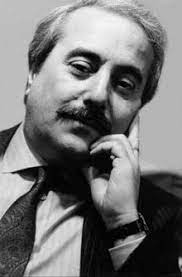
“Come evitare di parlare di Stato quando si parla di mafia?”

Giovanni Falcone

Il-Bord huwa sodisfatt, u l-indikaturi huma kollha f’din id-direzzjoni, illi għalkemm il-movent mhux sa llum bi preċiżjoni stabbilit, ma hemm xejn x’jindika li l-assassinju ma seħħx għal raġunijiet direttament marbuta malinvestigazzjonijiet li kienet qed tagħmel is-Sinjura Caruana Galizia fuq allegazzjonijiet serji ta’ amministrazzjoni pubblika ħażina, ta’ abbuż ta’ poter u korruzzjoni, f’isfond ta’ 𝗿𝗮𝗯𝘁𝗶𝗲𝘁 𝗺𝗶𝗹-𝗾𝗿𝗶𝗯 𝘂 𝗱𝘂𝗯𝗷𝘂𝘇̇𝗶 𝗯𝗲𝗷𝗻 𝗶𝗹-𝗽𝗼𝗹𝗶𝘁𝗶𝗸𝗮, 𝗻-𝗻𝗲𝗴𝗼𝘇𝗷𝘂 𝗸𝗯𝗶𝗿 𝘂 𝗹-𝗸𝗿𝗶𝗺𝗶𝗻𝗮𝗹𝗶𝘁𝗮̀ 𝗼𝗿𝗴𝗮𝗻𝗶𝘇𝘇𝗮𝘁𝗮.

Bord ta’ Inkjesta Daphne Caruana Galizia

The Board of Inquiry into the circumstances of Daphne Caruana Galizia’s assassination has published its report. The main thrust of this report is that the State should shoulder the responsibility for this assassination. There are many conclusions to be drawn from the contents of the report including the fact that finally we have a clear assertion that Joseph Muscat’s government enabled a culture of impunity that led, among other things to the atrocious murder of an investigative journalist.

Within the wider context of the backsliding of the rule of law, the report shines a powerful light on the shortcomings of an executive within a corrupt system that is now irremediably intertwined with big business and organised crime. Beyond the important issue of the responsibility for Daphne Caruana Galizia’s murder and the need for justice in that particular case, the report is a clear indictment of the system that exists today.

There can be no clearer evidence that our current decadent constitutional set up has suffered irreparable damage. The Mafia State that runs the show cannot continue to purport to lead Malta through a process of change and remedy. So long as the main enablers of the system persist in a game of survival there will be no real cure.

Prime Minister Abela tweeted the need to rise above partisanship. He is right in that. What is wrong is expecting the parliament of parties that were part of the problem to provide solutions. The Mafia State needs eradicating – literally cleansing from the roots. The political party structure, the current constitutional set-up, the partisan cul-de-sac that has provided fodder for criminal activity and is putty in the hands of big business needs to go.

It is time to admit that the Mafia State exists and it is time for the Mafia State to go.

“Per lungo tempo si sono confuse la mafia e la mentalità mafiosa, la mafia come organizzazione illegale e la mafia come semplice modo di essere. Quale errore! Si può benissimo avere una mentalità mafiosa senza essere un criminale.”

Giovanni Falcone

The rebels won’t let go

The heat is on at PN HQ. The 80 strong executive is meeting having been summoned by Adrian Delia. It’s time for a showdown with the 19 rebels showing no sign of surrendering their battle after the setback suffered by the hapless Presidential decision.

What would seem to be another long night has been kick started by another motion of confidence in Delia brought by Dr Michael Axiaq. The vicissitudes of the renewed PN leadership race is actually a tiny pixel in the much bigger landscape of the state of our political system. What interests me here is why the rebels insist on staying. Why the battle they are fighting is the battle, first and foremost, for the Nationalist Party.

Therese Comodini Cachia was quoted as saying that “it is not her intention to split the party”. Chris Said seems to be of the same opinion. And so on and so forth. Not for one second does the option of splitting from the PN and setting up a rival, larger, opposition party seem to have crossed their minds.

Make no mistake about what is happening here. Much as the rebels might be seen as voices for change away from the shady politics represented by Delia and the corrupt government, their inability to create a definite schism between themselves and the old wreck of a party they aspire to win back is telling.

The pull of the party is too great and that is the sign that the rebels, no matter how rebellious, are only willing to go so far to change the stagnant system that has a stranglehold on the nation. They are unable to cut off their dependency on a party system built to fit a constitution wrought in its image, and designed to fit a sick method of pathetic alternation like a glove.

I have written elsewhere that a new PN would have to renege everything it has been until now otherwise those who take over will only be prone to the same mistakes that have been committed in the past.

The rotten system that has taken hold of the nation is fighting back tooth and nail. Like zombies in a trance some participants in the political arena unwillingly lend themselves to the system’s fight for survival. Yesterday’s Presidential decision was such an example of the system’s desperate lurches at self-preservation.

Tonight, in the long night of knives and squaring of thoughts, another tentacle of the system attempts to survive to the detriment of a switch towards a healthier constitution.

We are a long, long way from recovery.

“If a political party does not have its foundation in the determination to advance a cause that is right and that is moral, then it is not a political party; it is merely a conspiracy to seize power.” Dwight D. Eisenhower.

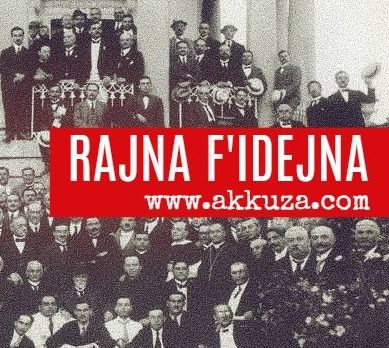
Rajna f’Idejna

Writing in today’s Times of Malta controversial ex-politician Franco Debono discusses recent happenings in the field of constitutional reform. The article titled “The reforms we implement should be our own” concerns what Franco calls “the colonial mentality of having reforms imposed”. Constitutions and constitutional reforms must be autochthonous Debono tells us and not granted by a foreign sovereign.

What interests me today is the basic premise of Debono’s argument: that we are having reforms imposed on us by some foreign power or authority much in the same way we depended on sovereigns granting us constitutions in the past.

In simple terms, what Debono is advocating here is that any changes to our constitution must not be imposed from the outside but must come from within the country (“We the people”, presumably through the able hands of our representatives and their advisors). There is very little to criticize here: the sovereign constitutional power resides with the people who delegate their representatives (and specialists) to give legal shape to that power.

Debono does not stop there. He speaks of what he calls ‘the unfortunate and tragic circumstances in which the Venice Commission, a respected organ of the Council of Europe, was requested to make proposals about this country’s institutions two years ago”. After outlining what he terms the Commission’s ‘proposals’ he states the following:

Benefitting from the expertise of international bodies is one thing. But having fundamental structures extensively imposed on the country by external institutions is humiliating and marred by a bitter colonial taste, especially when those proposals have a local origin. Steering away from a colonial mentality towards a sentiment of national pride is the greatest reform that this country needs. The rest should follow.

The reforms we implement should be our own – Franco Debono

This is where Debono’s original premise falls flat. The implication is that the Venice Commission is imposing content on Malta, and that somehow the constitution of Malta has slipped from the sovereign hands of the people into the hands of foreign writers. M’ghadniex rajna f’idejna (we no longer have the reigns of our country in our hands). This jingoistic, nationalistic nerve that Debono is tapping fits conveniently in the current narrative of misplaced patriotism and anti-European sentiment.

The assertion of any imposition of the actual rules and laws and structures is false. This argument can be extended not only to the Venice Commission (an institution within the Council of Europe) but also to the Commission and Court of Justice of the European Union (institutions of the EU), both of which may be tasked to review the conformity of Malta’s laws and regulations with the rule of law.

Debono is ignoring the fact that such institutions are tasked with checking the standards of our laws and not their content. Every member state of the Council of Europe and European Union remains the sovereign master of its legal system. Member states are free to alter and draft their own laws as they deem fit but such laws are tested against standards which the very same member states have agreed to in their full, sovereign membership of international communities.

Think of this as a VRT test. You are free to purchase any car you choose and can tweak it to your liking so long as it conforms with the agreed standards for roadworthiness. A VRT tester does not impose a car on you but makes sure that your car is up to the standards everyone agrees to.

The Venice Commission will look at any suggested reform which the Maltese state makes. It will do so using a standard measure that is the rule of law. Should any of the measures fail to fit that standard the Venice Commission will make that known. The same goes for potential cases before the ECJ. As the Polish government found out recently, every Stateis free to change its system of appointment of judiciary – so long as that system guarantees an observance of the basic tenets of the rule of law.

Being held to certain standards is not the same as being forced to accept laws that are not ours. The standards are standards established for our own good and which we, as a sovereign nation member of international communities, adhered to. Our laws must be safe. Safe for us, the citizens who abide by them.

At the heart of such standards is the interest of “We the people” who are protected by their application. Far from being an imposition, it is an international guideline of democratic standards that we are being asked to conform to.

Given what Franco calls the “unfortunate and tragic circumstances” into which our country was dragged, the fact that the abusers of our constitution and law for so long are now being set to a higher standard when tinkering with the laws is a small but worthy consolation.

The only colonial mentality of submission would be to allow those who have held our constitutional rights hostage for too long in the name of a party duopoly to dupe us into thinking that conforming to the right standards is some blow to our national pride.

Il-poplu magħqud qatt ma jkun mirbuħ

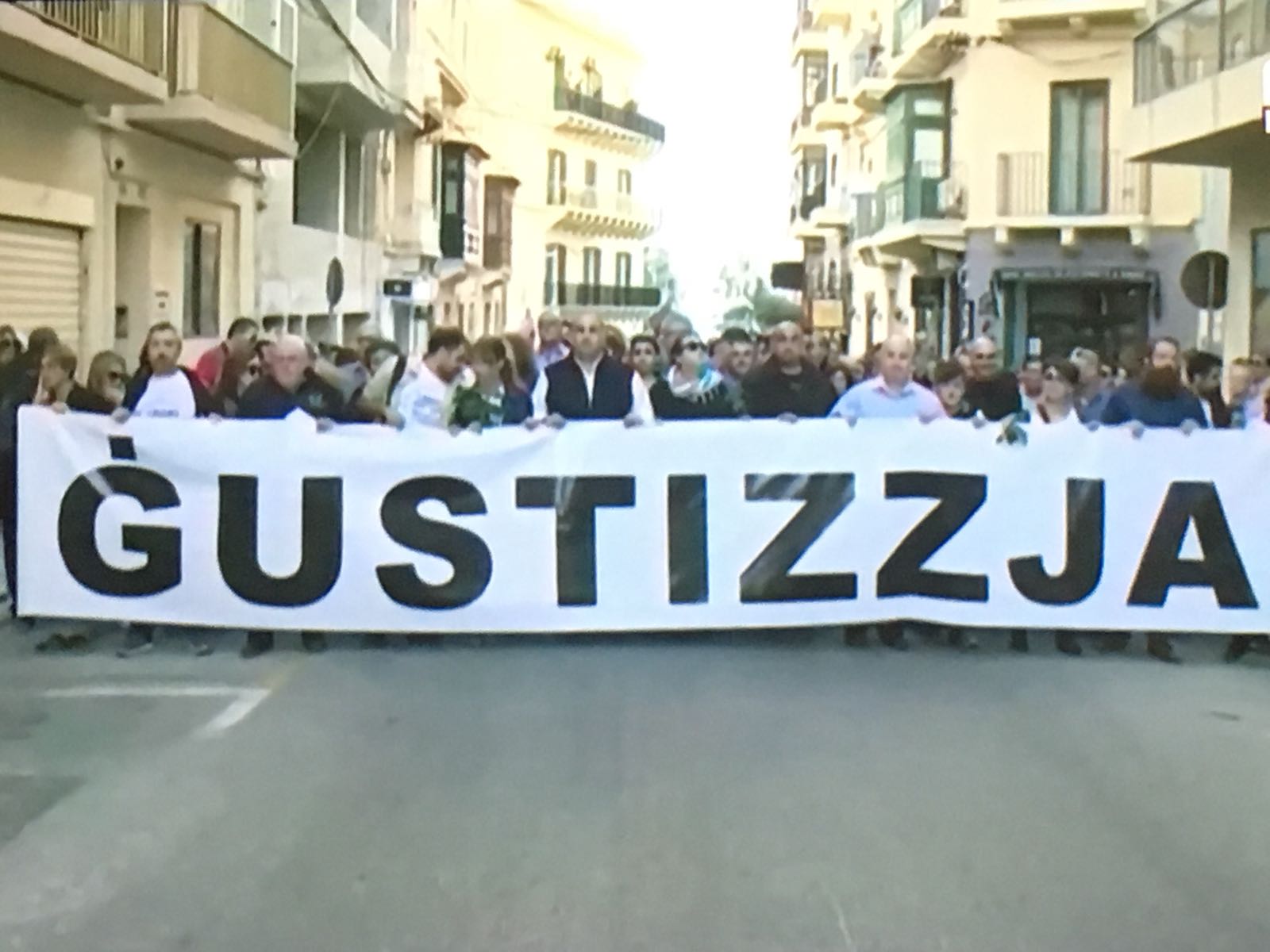
Dan id-diskors li ktibt fl-okkazjoni tal-ewwel manifestazzjoni għall-Ġustizzja li saret ġimagħtejn wara l-assassinju ta’ Daphne Caruana Galizia. Għadu rilevanti iktar minn qatt qabel.

X’intom tagħmlu hawn? X’inġbartu tagħmlu għal darba oħra madwar din l-għajta għall-Ġustizzja? Għadkom ma xbajtux? Għadkom ma għajjejtux? Ħarsu waħda fuq il-lemin u fuq ix-xellug tagħkom. X’ġew jagħmlu hawnhekk dawn in-nies illum? X’inhi din is-socjeta’ civili? Għalfejn dal-kjass, dan l-istorbju kollu? Għalfejn dawn it-talbiet? Għalfejn qed ngħidu li hawn min għandu jirrizenja? Aħna jew m’aħniex f’bidu ta’ rivoluzzjoni? U rivoluzzjoni f’isem xiex u min?

Ġimagħtejn ilu seħħ assassinju oxxen. Inqatlet bl-iktar mod premeditat mara qalbiena, omm kuraġġuża u kittieba sbukkata. Ġimagħtejn ilu seħħet skossa kbir fis-socjeta’ Maltija u minn dakinhar xejn ma jista jerga’ jkun l-istess. Is-socjeta civili qamet mir-raqda twila li kienet ilha fiha. Kienet ilha ma tridx temmen u ma tridx tisma’ li l-qafas ta’ pajjiżna sejjer lura bil-ħeden.

Lura mhux f’sens ekonomiku għax dik l-illużjoni hemm għada. Le, mhux f’sens ekonomiku. F’sens ieħor. Għax filwaqt li qed ngħixu fi żmien is-surplus ekonomiku qed nassistu żmien id-deficit civiku u socjali. X’intom tagħmlu hawn? Staqsejtkom. Ħafna minnkom issa draw ilissnu l-kliem “Saltna tad-Dritt” – il-famuża “Rule of Law”. Issa li qomna mir-raqda qed nindunaw u nitgħallmu li din tfisser ugwaljanza quddiem il-liġi…

Li l-liġi hija l-istess għal kullħadd …

u li min hu fdat bit-tmexxija tal-pajjiż huwa marbut u suġġett għall-istess liġijiet daqs kull wieħed u waħda minna.

U għaliex qed nitkellmu dwar dan issa? Għaliex kellu jkun assassinju kiefer ta’ ġurnalista biex nibdew nitkellmu dwar riformi ta’ pajjiż? X’inhu in-ness, il-link, bejn ħaġa u oħra?

Matthew, Andrew u Paul – t-tfal ta’ Daphne – qalu li ma jridux biss ġustizzja penali – jiġifieri li jinstab min hu ħati tad-delitt specifiku – iżda jixtiequ riżultati iktar wiesgħa – iktar dejjiema. Jixtiequ li l-pajjiż jirritorna għal stat fejn id-dritt jirrenja – fejn kull wieħed u waħda minna iħossu cittadin liberu u cittadin li m’għandux minn xiex jibża’..

Sabiex isir dan it-tibdil, sabiex jintlaħqu dawn il-miri hemm bżonn li tqum fuq tagħha s-socjeta’ civili. Hemm bżonn li dan il-moviment magħmul minn kull wieħed u waħda minnkom ikompli jikber u jitgħallem u jemmen dak li qed jipproponi.

Għalhekk qiegħdin hawn. Qiegħdin hawn għax l-istat naqasna.

Naqas magħna lkoll. L-istat fis-sens wiesgħa tal-kelma m’għadux iservi lil pajjiż iżda kull ma jmur qiegħed iservi biss lic-crieki ta’ poter.

L-istat naqasna għax tħalla isir, jew jissawwar, sabiex jaqdi l-bżonnijiet tribalistici ta’ dawk li jifirduna. Falla għax il-kostituzzjoni u il-liġijiet tagħna baqgħu jitbagħbsu sabiex jinqdew l-allat foloz u sakemm spicca intesa’ ic-cittadin.

Għalhekk qiegħdin hawn. Għax sabiex titqajjem kuxjenza dwar dawn il-problemi hemm bżonn li l-poplu – li s-socjeta’ civili – jiftakar li huwa s-Sovran.

Iva sovran. Fis-saltna tad-dritt, dik li tiggarantilna li il-liberta’ – il-poter bażiku – jinstab fil-poplu. Dak il-poter jiġi fdat lill-politici għal peridjodu ta’ żmien u huwa dmir tagħhom li jużawh fl-interess tal-ġid komuni.

Qiegħdin hawn għax dawk li fdajnilhom il-kuruna tas-saltna tad-dritt naqsuna lkoll. Naqsuna kull darba li ippermettew li jitmermru l-istituzzjonijiet li xogħlhom kien li jipproteguna. Naqsuna kull meta ippermettew li tissikket kull tip ta’ kritika jew oppozizzjoni. Naqsuna kull meta ħadu sehem dirett f’azzjonijiet sabiex jissiktu l-kritici. Naqsuna meta biegħu il-valuri tagħna lkoll sabiex igawdu il-ftit.

Qiegħdin hawn, fl-aħħar, għax kellha tkun xokk lis-sistema bl-assassinju atroci ta’ Daphne Caruana Galizia. Issa ma nistgħu nonqsu la lilha u lanqas lil dak li ħadmet hi ukoll għalih.

Qiegħdin hawn proprju fil-belt fejn trabbiet biex l-ewwelnett ma ninsewx lil Daphne u dik il-ħidma tagħha li biha għenet biex jinkixfu l-problemi ta’ pajjiżna.

Qiegħdin hawn biex ma ninsewx. Għaliex nonqsu aħna mir-rispett lejn Daphne jekk inħallu l-memorja tagħha tintesa wara ftit żmien u jekk ma jsir xejn sabiex tinbidel is-sitwazzjoni preżenti li kienet ukoll il-kaġun li waslet għal mewtha.

Qiegħdin hawn biex inwasslu messaġġ fejn ngħidu li ilkoll kemm aħna nirrifjutaw li dan huwa THE NEW NORMAL. Li nirrifjutaw li dan huwa BUSINESS AS USUAL. Li nirrifjutaw li kull min qiegħed jgħolli leħnu dwar il-bżonn ta’ bidla jiġi sistematikament attakkat bħala traditur jew bħala partiġġjan. Li nirrifjutaw l-akkuża li xi roadmap ta’ xi politiku qed jiġi sabotaġġat b’din l-għajta għall-Ġustizzja.

Qiegħdin hawn bħala l-ewwel pass ta’ bidla importanti għal pajjiż li jrid jreġġa lura lejn is-saltna tad-dritt, bħala pajjiż fil-qalba ta’ l-ewropa b’vokazzjoni li jkun l-aqwa – iva – imma l-aqwa xempju ta’ liberta’, demokrazija u ġustizzja.

Qiegħdin hawn għal-vjaġġ twil. Il-bidla mhix ser issir minn jum għall-ieħor. Għad irridu nikkonvincu ħafna nies dwar kemm din il-bidla hija siewja għal pajjiżna, għalina u għal uliedna. Intom ilkoll li qiegħdin hawn tistgħu tkunu xhieda iżda anki attivi f’din il-bidla. Nista’ ngħidilkom li magħkom hemm ħafna Maltin u Għawdxin li, bħali,  jgħixu barra – Maltin ta’ Londra, Maltin ta’ Brussell, Maltin tal-Lussemburgu, Maltin tal-Isvizzera. Maltin li baqgħu marbuta sew ma dak li qed jiġri f’pajjiżna u li għandhom ħafna x’jikkontribwixxu għal din il-bidla.

Jien fost il-ħafna li kibru jaqraw il-kolonni ta’ Daphne fil-gazzetti u li ġejt ispirat minnha sabiex nuża l-pinna bħala arma politika.  Forsi irreciprokajt ftit din l-ispirazzjoni meta permezz tal-blog tiegħi, waqt iljieli ta’ diskussjonijiet jaħarqu fuq l-istess blog fi żmien l-elezzjoni tal-elfejn u tmienja, Daphne iddecidiet tiftaħ blog tagħha. The rest, kif jgħidu, is history.

Jien ukoll għadni immur  fuq il-blog tagħha b’mod awtomatiku sabiex nara x’inhu jiġri f’pajjiżi. Il-vojt li ħalliet warajha huwa enormi. Ma rridux ninsew li dan il-vojt inħoloq għax kienet tikteb. Għax ma beżgħet minn xejn u ħadd.

Ippermettuli insellem lill-familjari kollha ta’ Daphne f’dan il-mument. L-ebda kliem ma huma biżżejjed biex jimlew il-vojt li qed tħossu. Ma hemm l-ebda mod aħjar kif nirrispettaw il-memorja ta’ Daphne ħlief li nissuktaw f’din it-taqbida għall-Ġustizzja.

Aħna is-socjeta’ civili. Il-poplu magħqud qatt ma jkun mirbuħ.

GRAZZI.