Category: Constitutional Development
-

Majority Rule or Rule of Law? Neutrality, Constitutional Supremacy and the Perils of Majoritarian Logic
Having the numbers in Parliament does not make something lawful. When constitutional neutrality is treated as just another political choice, we blur the line between majority rule and the rule of law. Neutrality is not a mood or a tactic. It is a constitutional commitment that cannot shift with the parliamentary winds. That is the…
-
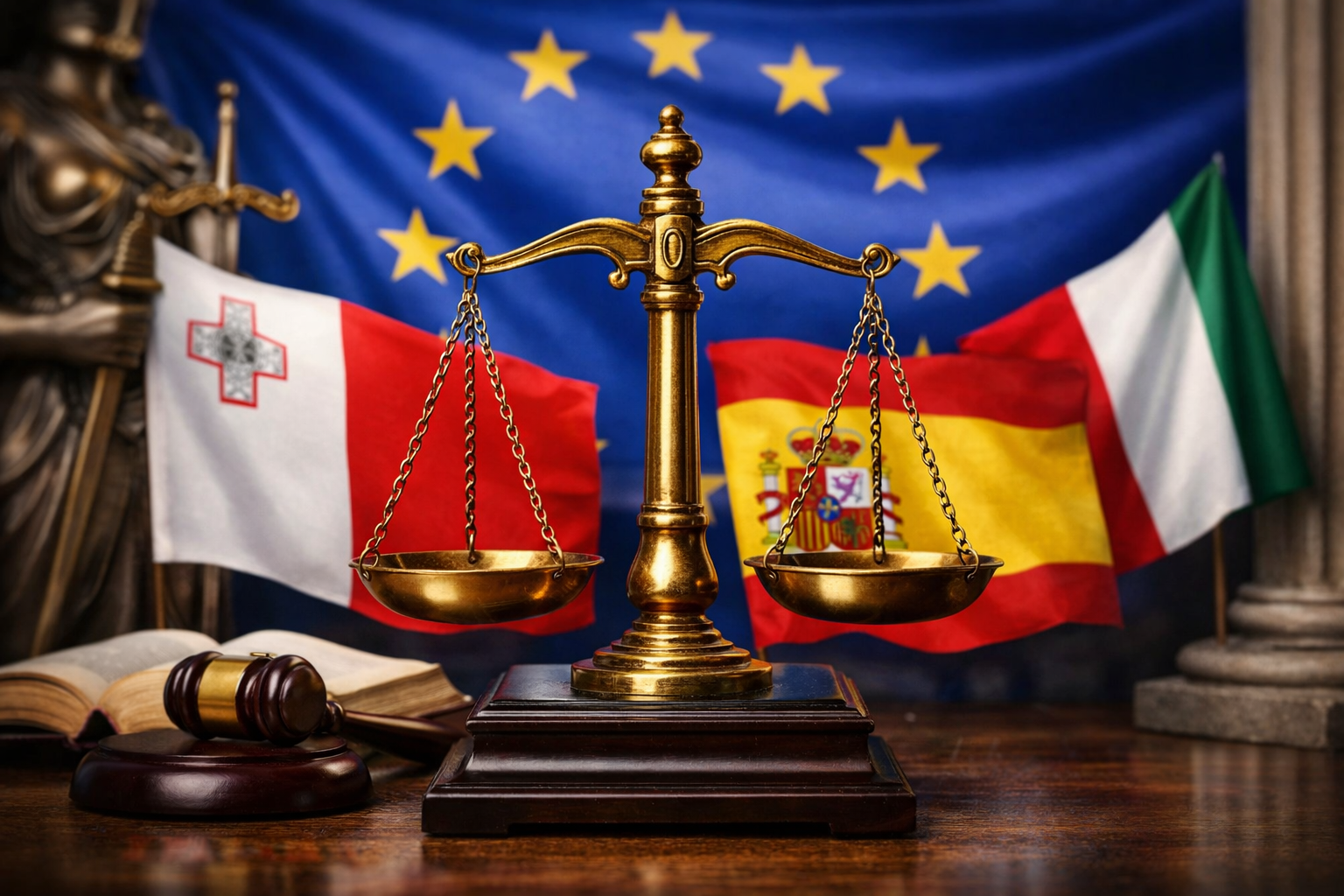
Judicial independence in the EU: structural pressures beyond formal Rule of Law monitoring
Questions about judicial independence within the EU are rising, with Malta, Spain, and Italy exemplifying systemic pressures affecting national judiciaries. Incremental reforms and political contestation challenge autonomy despite formal structures. The EU’s legal responses may lag behind emerging risks, highlighting the need for robust institutional practices and public trust to ensure effective judicial independence. Across…
-

Judicial Appointments: The System is Broken
This is not only a clash between a judge and a Prime Minister. It is a warning that Malta’s system for appointing its Chief Justice is structurally broken. We like to believe the two-thirds parliamentary rule protects the courts from political capture. In theory it forces consensus. In reality it often just forces negotiation. Instead…
-
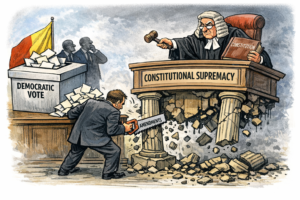
Democracy Is Not a Legal Alibi: Why Constitutional Supremacy Cannot Be Voted Away
Robert Musumeci argues that Malta’s Constitution prioritizes democratic procedures over judicial authority. However, this analysis overlooks the importance of constitutional supremacy and judicial independence, which serve as essential checks within a democracy. Constitutional amendments must not undermine the foundational principles protecting rights and governance, highlighting the relationship between legality and democracy.
-

Alarm Bells in Caracas – a wake up call for the EU
Trump’s reckless invasion of Venezuela shatters illusions about a self-sustaining rules-based order. The EU now faces a decisive choice: drift into irrelevance or unite, wielding both muscle and diplomacy, to defend postwar values of human rights, justice and law. History demands leadership; hesitation means surrender by instalments for Europe itself. There are moments when history…
-
GRECO, Galdes and Non-Regression
Malta’s latest GRECO compliance report again highlights systemic failures in three core areas: integrity standards for persons holding top executive functions, an effective and transparent asset-declaration regime, and the absence of a comprehensive anti-corruption strategy. GRECO’s conclusion is blunt: Malta remains in a state of insufficient compliance, with several recommendations untouched and others only partially…