B’xorti tajba

2013-12-20 22.45.57

Lura Malta ghall-btajjel tal-Milied. Sabiħa s-sħana li tilqgħek bi nar u ġġiegħlek taħseb li l-bagalja ħwejjeġ sħan qajla se jintemssu. Inqas sabiħ il-bard ġewwa d-djar li qisu ħadd ma sab tarfha. Dan l-aħħar kull meta niġbor il-karozza tal-kiri u nsuq lejn Paceville inħossni qiegħed fil-film Johnny Stecchino ta’ Benigni u l-frażi dwar kif it-traffiku saret s-saħta kbira tal-pajjiż tibda thewden ġo moħħi.

Kullħadd mgħaġġel. Ftakart fil-program dwar crowd management li smajt dan l-aħħar fuq Radio 4 u dwar kif il-folla ma taħsibx b’moħħ prevedibbli. Li hemm żgur hu li it-traffiku malti għandu numru ta’ regoli innati li jikxfu egoiżmu sfrenat li jiżboq kull sens ta’ kollaborazzjoni sabiex jittaffew il-problemi. Maqbud ġo impromptu traffic jam ġewwa t-trejqiet ta’ madwar Sacred Heart (għax triq reġjonali kellha tiżvojta minħabba l-enneżimu inċident) r-radju weħel fuq il-ONE. L-aħbarijiet.

Tisma ftit dwar l-problemi tal-ittogati li kellhom party ġewwa l-awli sublimi tal-qorti (żibeeeel – kif jgħidu Sempliċiment tat-Triq fl-album “Qum Minn Hemm” li xtrajt mingħand il-Ġugar). Issa apparti li huwa ovvju li l-arrest arbitrarju illi seħħ huwa parti mit-tapizzerija unika u assurda tal-politika istituzzjonali maltija, u apparti li l-indinjazzjoni popolari setgħet tinħass kull fejn tisma jew taqra dwar l-eventi odjerni. Apparti dan kollu. Laqatni l-użu tas-sentiment popolari mis-Segretarju Parlamentari Owen Bonnici – qallu “the people ARE significant”. Xejn ħażin ta’ imma r-retorika tal-poplu li tfakkar f’sommossi u rivoluzzjonijet ma tkunx neċessarja jekk l-istituzzjonijiet jitħaddmu sewwa. Impeachment, Owen, u ħallikom mid-diskorsi dwar x’taħseb il-ġamaħirija.

L-istess Chris Cardona. Mar dar dawra il-ħwienet tal-Belt. Imnalla m’għadekx trid tħallas biex tidħol fil-kapitali wara s-sagħtejn għax issa tal-ħwienet tad-deheb u tat-Tommy Hillfiger jistgħu idawru sold li kien ħarab lejn tas-Sliema sal-Milied ta’ qabel. Cardona qisu ġa għamel survey xjentifiku għax ġa qatagħha li l-kummerċ żdied. Il-Milied it-tajjeb u n-nefqa għaqlija lil kullħadd.

Iżda tal-ONE żammew l-aħjar għall-aħħar. Kellhom servizz dwar it-traġedja li seħħet fit-Tijatru Apollo ta’ Londra. Indarbu 79 ruħ qalulna, 9 minnhom gravi. Issemmew xi anedotti dwar kif xi nies preżenti stħajlu lilhom infushom ġewwa minjiera tant kien hemm trab. Il-qarrejja qalhet li waqa’ “soffett” (sic) u imbagħad ħarġitilna l-coup de grace: “B’xorti tajba ma weġgħux Maltin”. Tiskanta. Kienet tgħaddi din il-frażi, qisha m’hi xejn. Imma filfatt hija riflessjoni ta’ kif jaħsbu bosta nies.

Fejn taf sinjorina qarrejja tal-aħbarijiet tas-Super One? Forsi mhux ix-xorti li żammithom il-bogħod mit-tijatru drammatiku lok ta’ drama. Forsi il-Maltin li qiegħdin għall-btajjel Londra kienu bieżlin ġo Oxford Street u Primark jimlew il-basktijiet tax-xiri u jistgħanaw f’orġja kummerċjali minn dawk li tant tfantas biha l-Onorevoli Cardona. Mhux għalihom il-ħin moħli jaraw ir-reċta dwar “The curious incident of a dog in the night”. L-għażla wisq probabbli tmur fil-kjuijiet quddiem kaxxieri tal-ħwienet tal-High Street Londoniża, jimbuttaw, jixxalaw u fuq kollox jixtru. Is-sentiment popolari hemm qiegħed, taf int. Il-kejl tagħhom, il-kejl tagħna lkoll.

U b’xorti tajba ma jweġġa’ ħadd.

2013-12-21 00.27.39

Paceville. It-triq tan-nies.


WARNING: You might find the content of the following video offensive. I’m afraid it might be terminal and it could be too late for a cure. Press play at your own risk.

Facebook Comments Box

The Barter Parties

It’s all happening in the PAC committee. The latest politicians to come under fire from the state’s evidence provider’s revlations are Austin Gatt and Manwel Mallia. It is good that the PAC committee is digging into the evidence in relation to “corruption scandals” but we must be forgiven if we remind all and sundry that the committee is in the end made up of members of our two political parties and that the sort of corruption that is being looked into is one that deals with dealing in influence – power broking of the kind that involves the sort of thinking that goes: “I’ll think of you today and you think of me tomorrow”.

Notwithstanding pre-electoral promises, our laws might at first glance still seem to be ill-equipped to deal with this kind of corruption. A very good reason is that the laws are drafted by our political parties who tend to create glaring exceptions whenever a law has to deal with them.

Take Manwel Mallia’s defence of “professional secrecy” – a quick look at the professional secrecy act will show that the obligation of professional secrecy can be lifted in the case of such crimes as money laundering but no such exception will apply to “corrupt practices”. In other words a lawyer who is confronted with a client who is knowingly laundering dirty money is divested of his obligation of secrecy but not one who comes to know of corrupt practices. Which does not explain whether or not Mallia used such information to his party’s advantage in any case (whether or not he was a minister does not matter).

In the run up to the last election we heard many times the party apparatchiks claim that their commercial arrangements are arranged on a barter system. Obviously columns such as this one that push the “PLPN” line of thinking are often discredited as though this were some conspiracy obsession but the fact of the matter is that this “barter” system admission was a very clear and open admission that parties are used to “trading their influence”. It is institutionalised corruption.

Those of a taghnalkoll persuasion might gleefully point their fingers at Austin Gatt’s reception of the €2,000 party donation but they would not do themselves any good if they ignore that such donations occur naturally across the whole party lines. The party “barter” system cannot vanish without the parties themselves vanishing along with it. That, my friends, is the unpalatable fact about the PLPN style of politics.

We saw how the loss of government influence strongly devalued PN’s “trading” power in the barter system – turning it into a bankrupt party overnight.

We also saw how the PL pie-grabbing exercises mean that the core party structure will survive another round simply by shifting its costs (and incomes) to government resources.

In the meantime the general public will act as indignant citizens and depending on which side your bread is buttered you will snort and denounce the “hnizrijiet” committed by the other side. We said it before and will say it again… you reap what you sow… and there seems to be no light at the end of this tunnel.

Below the gallery is a selection of old posts by J’accuse dealing with this barter and corruption issue.


On the Infamous JS List

Return of the JS List (August 18 2010)

(Evarist Bartolo) is insinuating that huge companies in Tokyo and Copenhagen had more than a hand in the assignation of the BWSC contract (remember that hot potatoe). The name dropping is not on the scale of ENRON style scandal but by Maltese standards it is big. There is an alleged web of intertwined interests that lead to linking the tenderor and the tenderee on the energy contract. There’s more. Bartolo does not shy back from implying that KPMG auditor to many of the parties involved served as a bridge between all the parties and government. And all this to lead to where? it’s not clear Who, What, When, Why or How but the conclusion is that:

“The PN has a system of fundraising where companies win government contracts and donate money to the PN. They are all part of the PN’s JS list,” Bartolo said, referring to the so called list named after former PN treasurer Joe Stellini.

Which is one hell of a whopper. From DimechGate to JS-Gate. Only, as I have been lamenting all the while, we need more tangible proof. We need cases before the Public Services Commission. It’s not a problem that the allegations surface on a newspaper – the newspaper is only attempting to perform its duty as part of the fourth estate – but there must be a follow up using the full strength of our democratic institutions. In a way there was never a shadow of doubt that contractors in various markets benefited from their contacts with the PN and that they performed services or investments in return. We just needed someone to get talking about them as a first step to something more direct being done about it. We do not have a magistratura in Malta as they do in Italy so do not expect a flurry of avvisi di garanzia very soon.

On Party Donations

From Business as Usual (April 25 2011)

Parties ask everyone for donations

Thus spake contractor Nazzareno Vassallo while celebrating his having survived 65 years in the dog-eat-dog world of Maltese building contractors. Were we surprised? No. Of course not. Would we wonder why his “well-known Nationalist sympathies have often worked against him when bidding for a contract.” Well yes. What does that mean exactly? Why does he bother funding both parties if his sympathies can work against him? How can he get away with frankly admitting that contracts ARE awarded on the basis of political considerations? Nazzareno is not the first to have claimed the “I oil both parties” approach. Sandro Chetcuti famously claimed it was important to have a pocket for every party (thank Mercury we only have two that count in the tendering business aye) and Vince “Holier than Thou” Farrugia has swung around the world of parties with better tempo than a grandfather clock’s pendulum.

(…)

Related:

Herrera alleges “rampant nepotism in financial sector” : one wonders if he’ll still be singing the same tune once it’s his party’s turn to milk the cow.

On Party Funding

From Funding Fundamentals (5 February 2013)

Idiots – that’s you the voters – are supposed to be carefully measuring the different proofs of liaisons that each party has with big business and throwing onto their homemade scales the various calculations as to who spent how much and where the money has come. Idiots (that’s still you) will then be expected to vote for the lesser evil. That, I guess (but I’m no idiot myself), will be the one with less ties to business and less I.O.U.’s hanging around in the pockets of various contractors and other men who can practically foot a blank cheque in times of need.

You do have to be an idiot though not to see past the protestations of both parties. On the one hand you have the ridiculous nationalist party “barter” concept. You see, the PN barters with companies like MFCC and in return for the use of their tents it gives them…. erm… See I’m stuck there. What the hell could the PN be offering to barter? It’s not like air time on its debt-ridden stations is free? Allocating a million euros of air time (in exchange for a tent) would mean perforce that that air time is lost from other who might have actually paid for the service.  Cardona also presented Beppe with a court case – Europrint vs MediaLink. Now that’s sweet. MediaLink owes Europrint half a million. Where will they get that from?

Labour on the other hand also have a hunch that we are all idiots. Their campaign CANNOT have been funded by the telethons. Igloos don’t grow on  trees Chris and you can have many many volunteers with ideas that you think are great but you cannot barter ideas for material in much the same way that Borg Olivier is not bartering ideas for tents. And while we are at it enough with this bullshit about the parties publishing their accounts. First of all Labour walked out of the committee for democratic reform (Select Committee on the Strengthening of Democracy) that not only put an end to the hope of electoral reform but also to any issue on party financing.

see also Grabbing the Iced Buns


Facebook Comments Box

Niftakar filgħodu

6a00d8345269c569e201630685d275970d

Niftakar li l-arloġġ kien idoqq mas-sitta nieqes għaxra. Ma kontx inbagħti biex noħroġ minn soddti daqs kemm inbagħti llum. Missieri kien iħalli ir-radju mixgħul fuq l-istazzjon nazzjonali sa’ minn kmieni. Missieri kien jiddejjaq li nirreferi għalih bħala “missieri”… mhux kwistjoni ta’ paternita’ miċħuda imma kien jippreferi sempliċement li insejjaħlu “il-pa”.

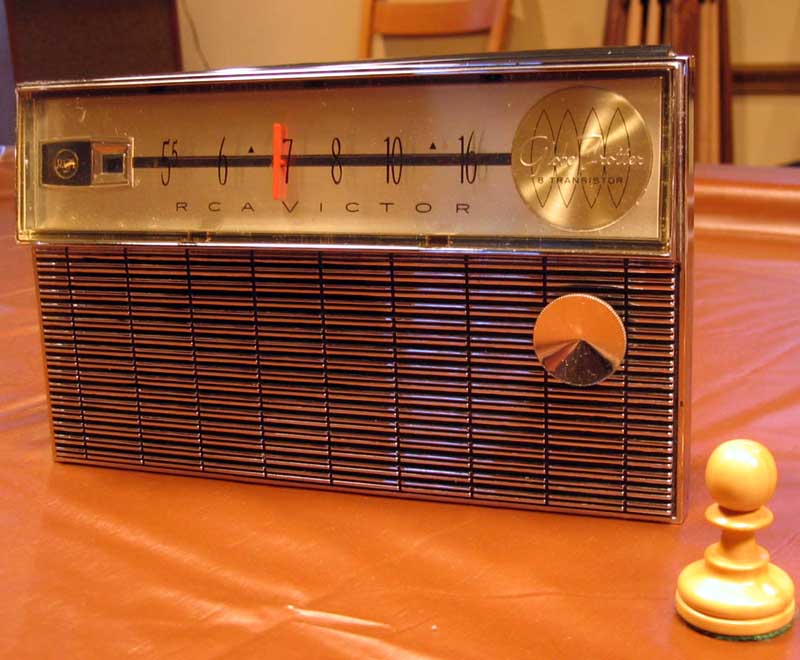
Tar-radju filgħodu ma kenitx drawwa biss tagħna. Niftakar fil-btala inqum għand in-nannu ir-Rabat jew Marsalforn u kien ikun idur mad-dar liebes piġamtu bit-transistor f’idejħ iwassal il-mewġ il-kbar tal-informazzjoni minn fuq il-BBC (AM mhux FM). Id-dinja daħlet id-dar kmieni fost textix isaħħar u jfakkar li kollox kien qed jiġri il-bogħod.

Ir-radju ta’ missieri (aħfirli pa) kien ikun fuq Radju Malta. Kienu jitfgħu serduq jiddi hekk għas-sitta sabiex wieħed jiftakar li din hija għodwa oħra u ta’ min toħroġ mis-sodda. Niftakar ninħasel malajr malajr – doċċa u nixfa f’tebqa t’għajn – u imbagħad dritt għal ġo l-uniformi waqt li jinqraw ir-riżultati tal-ballun bl-ismijiet ta’ bliet fantażjużi jsiru iktar tal-ħolm malli jiżolqu bi tbatija minn ħalq il-qarrej malti. L-uniformi tkun lesta bil-qmis mgħoddija, il-qalziet bit-tinja dritta u żraben ibblakkati. Ftit ħin taqbad dik l-għuda ta’ kuljum fuq darek, titfa’ fih il-lunch imlesti mill-ma u bewsa u tlaqna.

Niftakar Paceville filgħodu dejjem bata biex tnikker mir-raqda. Fost sturdament ġenerali konna niltaqgħu l-erba’ monelli li aħna fuq waqfet ix-xarabank ta’ quddiem il-Wembley. Niftakar nogħxa u nistħi nara in-nisa tas-sixth form u ħalqi jissarram malli jippruvaw ikellmuni dwar xi ħaġa.

Insejt isem ix-xufier (mingħalija Karlu) li kien iħallina indoqqu cassette tal-aħħar siltiet mużikali (x’iktarx biex noqgħodu kwieti) miġjub minn xi tifel avant-garde li missieru ma jixtrix biss mużika ta’ Clayderman u Rondo Veneziano. Niftakar li meta għal xi raġuni ma kienx jiġi konna indumu seklu biex naslu l-iskola b’tal-linja iżda kienet avventura liema bħala.

Niftakar, filgħodu, li siegħa kienet iddum eternita.

Facebook Comments Box

BBC World Update on IIP

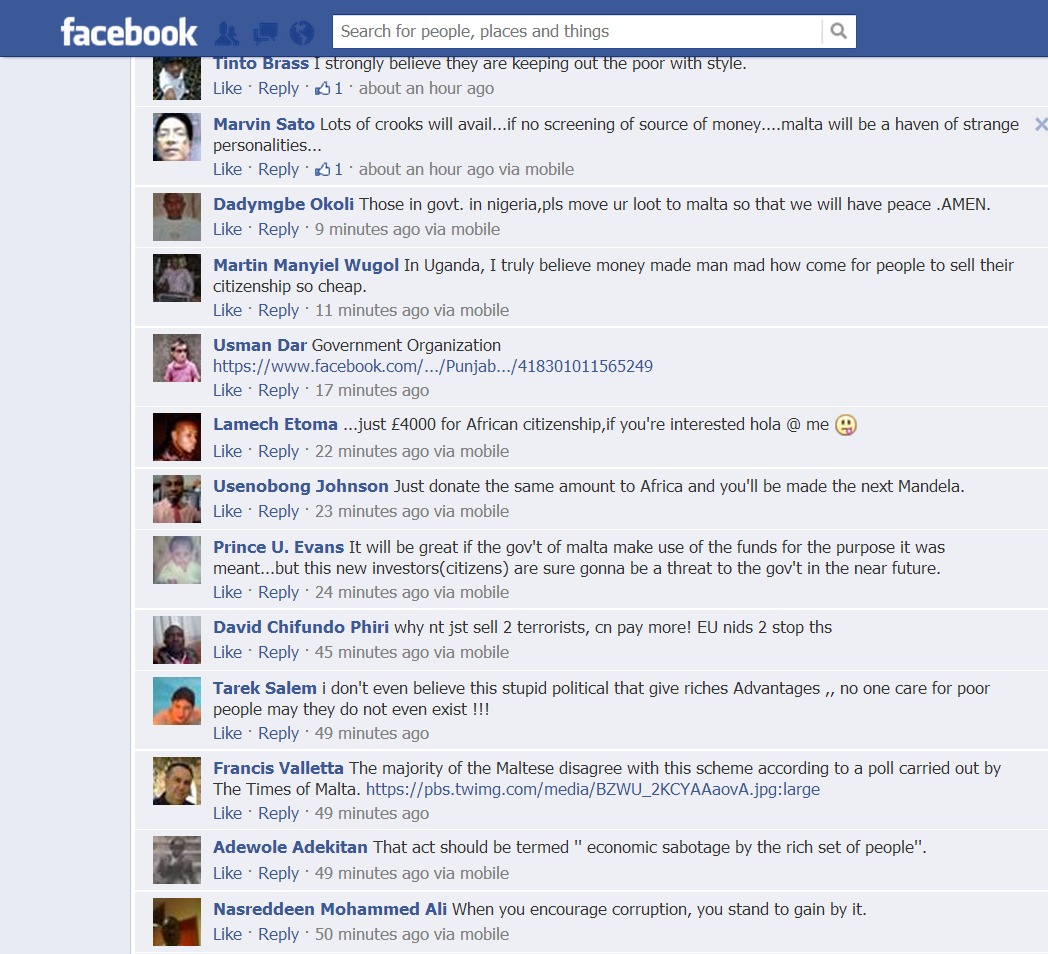
BBC’s World Update will be discussing Malta’s planned (?) IIP scheme. A post on Facebook announcing the programme has already attracted quite a long string on comments (see post here – Facebook account required). Aside from the ridiculous Labour party accusations that the whole international press attention is some kind of Opposition un-nationalistic concerted attack, this kind of debate just goes to show how global the topic of “selling citizenship” is. Unfortunately this debate will take place in a context where the final result of the IIP negotiations between government and opposition is not known. Notwithstanding the PN assurances that they will insist that “citizenship is not for sale” we have already seen some clues in the press that point to a system where the initial idea of an outright sale will be propped up with some investment criteria to make the idea “more palatable”.

Have Malta’s citizens been sufficiently consulted on this crucial issue? Should the fact that the two behemoths are “consulting” suffice – given how the issue was completely absent from their respective political manifestos? What mandate do Joseph Muscat and Simon Busuttil have from the citizens of Malta? These too are questions that need to be asked. I’m not comforted simply because Muscat or Busuttil tells me that it is OK.

worldupdate

Facebook Comments Box

The Hunter outside the Palace

When we decided to change the logo of SDM (the Christian Democrat Student organisation) in the mid-1990s we had decided to include a motto within a design that was meant to portray citizen participation and inclusion. The slogan, taken from Caldera’s tome describing the Christian Democrat principles translated as such “the ideal democratic palace is made up of the whole people”. We were very much into the notion of participatory democracy at the time and it was an interesting formative period of my  life.

One crucial question I have been asking myself recently, particularly after the discussions at the Vilnius closing conference of the European Year of Citizens, is “how far do citizens really want to participate”? Is not an ideal democracy one where citizens are duly represented and where such representatives go about with the business of managing the demos as entrusted unto them? Should a citizen be “active” on a daily basis or should his interventions be limited to the two instances of (1) electing those to be entrusted with the res publica and (2) intervening in moments of crises (taking to the streets)/extraordinary intervention by referendum.

The referendum – a method of public consultation is by now a familiar concept in Maltese politics. European Union membership and divorce have served to speed up the learning curve in this field and we know have a petition for a new referendum this time in the hope of abolishing Spring Hunting for good. It would seem that the representatives of our hunting community are suddenly alarmed that this petition for a referendum might be successful and they have kicked off a counter move – this time the move is a petition by the hunters to amend the very act that gives rise to Referenda. In the hunters’ opinion, such an act should never be used to stifle minorities.

It would seem therefore that the learning curve has hit a huge obstacle. The hunters’ move betrays a lack of understanding of the basic tenets of democratic action and participation. An act such as the referendum act is written in such a way so as to ensure that it does not become a tool for minorities to be ‘stifled’. Given the size of our population, it is already a gargantuan task to obtain a number of signatures that is sufficient to get a referendum going. Then, once the referendum does take place, one should also remember that it requires a majority vote – very much like a national election where similar issues are (supposedly) put on the plate in the form of electoral manifestos. That is why this blog (and a few others) have often insisted for more clarity from political parties during election time as to their commitments for their period in government.

hunter

That is also why the vague propositions found in manifestos are often more of an affront to representative democracy than the very clear aims of a referendum proposition. One should also not forget that a law that is a direct result of a referendum could also be challenged in the courts of law – especially if a citizen could claim that his fundamental rights are being infringed. I seriously doubt that a hunter’s right to shoot at will in Spring  time falls within the ambit of the fundamental rights of humankind and I only mention this check in order to paint a clear picture that goes beyond the PR-oriented assessment of rule of law and politics that is very much encouraged by our political classes today.

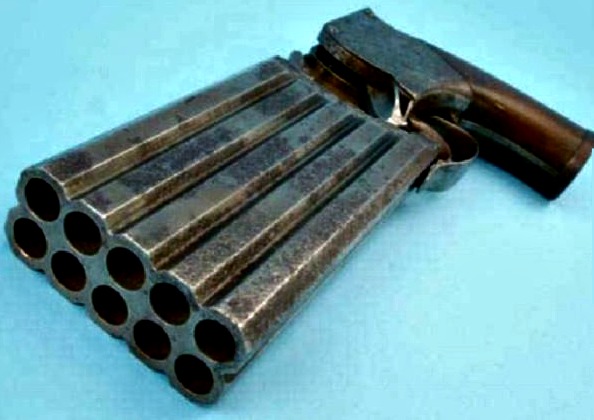
As it stands, the hunters are firmly entrenched outside the palace. They are not alone. Our political class have diluted all forms of accountability that would normally allow a democratic system based on rule of law, separation of powers, and checks and balances to work. When you have a government that first enacts a law, then rethinks it, then admits it was wrong, then admits it failed to consult stakeholders, then also remembers that there was no mention of this law in its political manifesto – and all the while such a government acts as though this was the most natural way of things and actually tries to get brownie points from its whole u-turn by claiming that it is “listening”… well then, something is rotten in Malta’s democratic palace.

“We are accounted poor citizens, the patricians good.
What authority surfeits on would relieve us: if they
would yield us but the superfluity, while it were
wholesome, we might guess they relieved us humanely;
but they think we are too dear: the leanness that
afflicts us, the object of our misery, is as an
inventory to particularise their abundance; our
sufferance is a gain to them Let us revenge this with
our pikes, ere we become rakes: for the gods know I
speak this in hunger for bread, not in thirst for revenge.”

(from Coriolanus, William Shakespeare).


Facebook Comments Box

Monumental Aesthetics

There is a symbolical effervescence that pervades anyone with the right frame of mind as he walks around great cities such as Rome or Washington D.C. The former is richly endowed with a magnificent scattering of monuments built to last centuries and that eagerly proclaim the magnificence of a proud republic and empire. The latter with its purposely structured fora displaying the symbolic pride of the a government by the people for the people as ordained and designed by the freemasons that built America.

That’s it really. Monuments – from the poignant obelix to the triumphant arch to the sombre cenotaph – are repositories of meaning and dignity. When it comes to persons and personalities the statue that adorns the monument has at least a twofold raison d’etre – more often than not the effigy is intended to be a true likeness of the person in question (history has of course given us myriad Berlusconi’s and Sarkozy’s who have had their effigies adulterated to better please their conception of themselves). The second reason of the existence of the effigy is the importance of the person whose likeness is being transferred to stone.

The hermeneutics of statues as monuments are fascinating to say the least. Even the poise of a horse – in the case of a cavalier statue – can transmit meaning. Controversies might abound as to the choice of one poise against another – as well as to the nature of the likeness that is ultimately chosen. Statues are supposed to “carry” the dignity of the person being portrayed and one glance at the person portrayed as frozen for eternity must be able to give the onlooker a sense of gravitas. This here, is what the person in stone was all about.

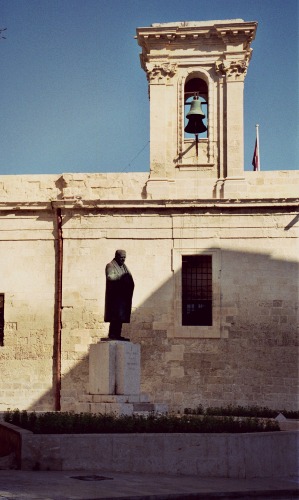
I have two statues in Malta to heart for different reasons. The first is that of Paul Boffa standing facing the Auberge de Castille in Valletta. Barely a toddler I used to be walked past this statue daily on the way to a shop that my mum used to run close by. That corner of Valletta got imprinted in my head, together with the oldest church in the city, the very British lamps and the little pieces of greenery on the roundabouts. As I grew up that idea of Boffa as a politician who deserved a respectful place in our history remained – even when as a student I camped right under his outstretched arm in protest against a labour government’s failure to listen to the people.

Paul Boffa

Paul Boffa

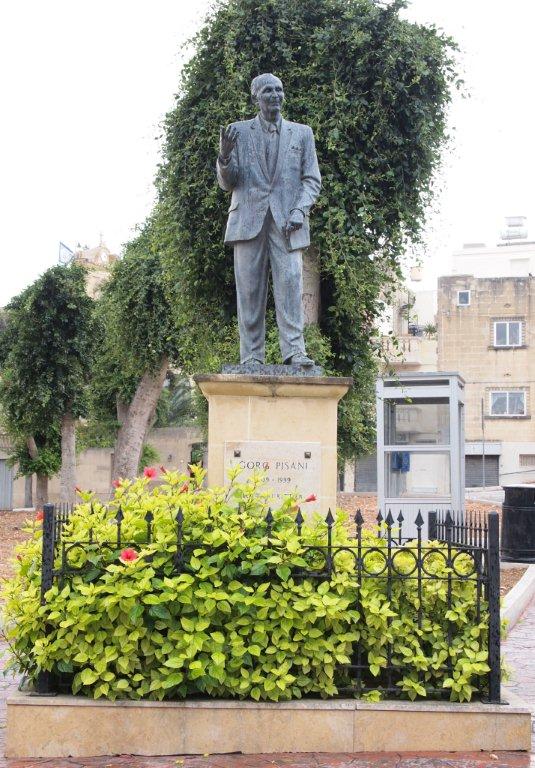
The second statue is that of Gozitan poet Gorg Pisani. The statue stands at a corner of the Victoria Bus Terminus (Putirjal as the Gozitans would call it) and just opposite the old house where as a youngster I would walk past an already frail George Pisani sitting on his parapet and nodding at passers by. For some reason the statue standing a few metres away from where his chair stood meant in my mind that Pisani was “preserved” for ever. The old frail likeness was kept for the statue and is a respectful reminder of one of Gozo’s famous sons.

Gorgpisani

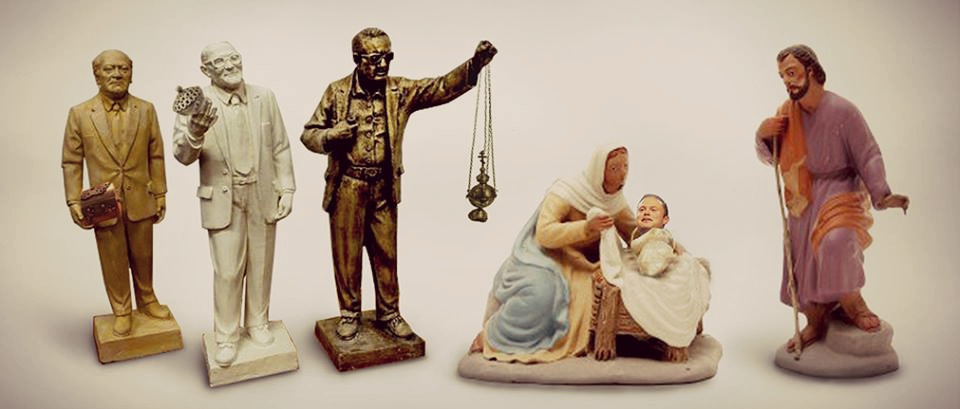
Which brings me to the proposed set of monuments that will supposedly portray (former PM) Dom Mintoff, (former President) Censu Tabone and (former President) Guido De Marco. The picture that has been accompanying these plans swiftly turned into an obligatory set of memes – one of which saw Mintoff’s likeness twerking unceremoniously against Tabone’s likeness. To interpret any sense of disrespect to these great figures of Maltese (and Gozitan) history would be wrong. The memes target the shabbiness of the plans rather than the persons themselves. Rightly so, I would add in a very subjective tone.

crechemonuments

There should be a sense of gravitas about the selection of statues that are to serve as monuments to the collective memory. I would go further and state that public spaces should not be made available so easily the moment some foundation or other decides that it wants to commemorate its particular star. In a way we lack the more orderly organisation of the French for example who have a committee of architects and specialists who oversee the development of public spaces. That way not every Tom, Dick and Harry (or overzealous family member) who decides that a statue of his idol should be foisted on the general public can go about planting these in any place.

Back to the current three. Without making too much of a fuss about it, it is in any case important to set some standards. Statues last a bit longer than the ribbons that are used to inaugurate them. In Malta we have many an outrageous example of botched monuments – two that come to mind are the Freedom Day mass of stones and cacti and the Monument to the Labourer in Msida. More recently experiments such as the Love monument in Spinola have also attracted their fair share of derisory comments.

In brief, what I think we need to be aware of is that our choice of statues and symbols is a reflection of the society we live in and want to live in. A bit more thought, away from the gas and heat exchanges would be more than welcome.

“Not marble nor the gilded monuments
Of princes, shall outlive this powerful rhyme,
But you shall shine more bright in these contents
Than unswept stone, besmeared with sluttish time.
When wasteful war shall statues overturn
And broils roots out the work of masonry,
Nor mars his sword nor war’s quick fire shall burn
The living record of your memory.
‘Gainst death and all-oblivious enmity
Shall you pace forth; your praise shall still find room
Even in the eyes of all posterity
That wear this world out to the ending doom.
So, till judgement that yourself arise,
You in this, and dwell in lovers eyes.”

– William Shakespeare

Facebook Comments Box