Malta, l-UE u r-rifuġji fiskali

L-ewwel parti: Rifuġji Fiskali u Politika Ewropea

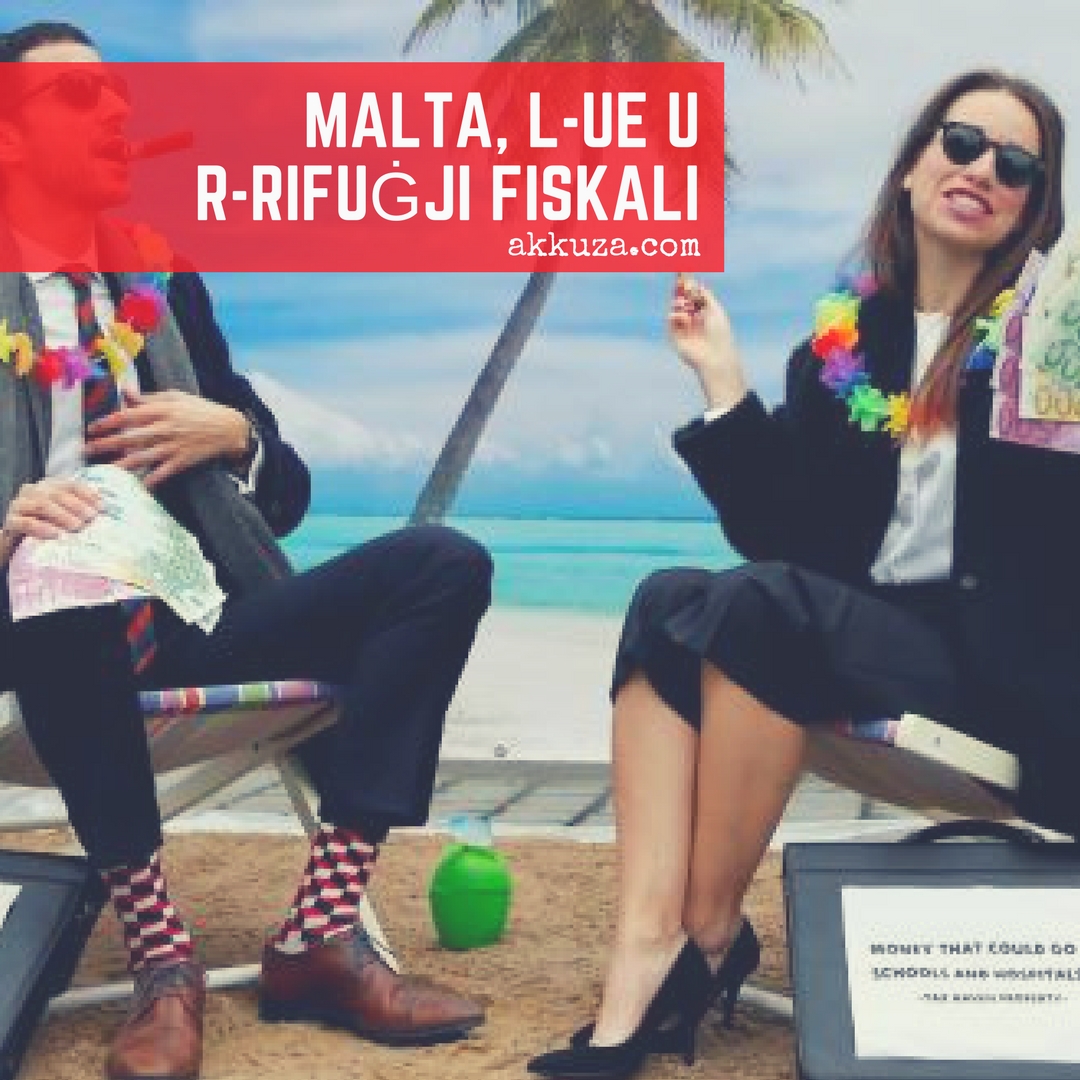
Ilbieraħ l-Unjoni Ewropea ippublikat “blacklist” ta’ rifuġji fiskali (tax havens) u din tinkludi 17-il pajjiż barra l-Unjoni illi jitqiesu bħala pajjiżi li ma jikkoperawx f’materji fiskali. Milli stajt nara, ir-reazzjoni għal din l-aħbar kienet waħda li tirrefletti konfużjoni kbira kemm dwar is-suġġett innifsu kif ukoll dwar il-protagonisti principali.

Ħa nibdew mill-kwistjoni ta’ rifuġji fiskali (tax havens). Il-villaġġ globali li inħoloq wara tmiem it-tieni gwerra dinjija jiddependi ħafna fuq l-iskambju ekonomiku, is-swieqi ħielsa jew swieqi ta’ skambju kummercjali u l-mobilita’. Is-swieq ħielsa kienu pedament importanti sabiex, fost l-oħrajn, ikun hemm incentiv biżżejjed biex pajjiżi fil-kontinent il-qadim jingħaqdu u għall-ewwel darba wara mijiet ta’ snin iwaqqfu il-gwerer ta’ bejniethom.

L-Unjoni Ewropea inbniet fuq il-pedamenti ta’ erba’ libertajiet ekonomici – il-moviment liberu tal-prodotti, tas-servizzi, tal-kapitali u tal-persuni. L-ewwel drittijiet ta’ moviment ħieles kienu marbutin strettament mal-ekonomija u l-possibilita’ li tikber. Il-ħsieb kien, u għadu, li l-ġenerazzjoni ta’ ġid jikber u jitqassam. Sadattant parallel mal-iżviluppi ekonomici fil-kuntest ta’ swieq u economies of scale, il-pajjiżi membri kienu ukoll baqgħu jipperfezzjonaw sistemi ta’ welfare – saħħa, edukazzjoni ecc illi mhux biss huma kumplimentari għall ekonomija iżda jitqiesu bħala essenzjali għall-qgħada tajba tac-cittadini ta’ pajjiz.

Tajjeb li wieħed ifakkar li minkejja li l-Unjoni Ewropea hija għaqda ta’ stati, dawn jibqgħu sovrani u jżommu għalihom id-dritt sovran li jirregolaw certi oqsma. Kull tant żmien jiġu innegozjati pakketti ta’ armonizzazzjoni li jfissru li l-politika f’certu oqsma ikollha standard minimu komuni jew sahansitra regola komuni li tapplika indaqs ma kullhadd. Meta jkunu qed jagixxu b’dan il-mod l-istati ikunu qed jaħdmu fl-interess tagħhom stess (individwalment) qabel ma jikkunsidraw il-bżonnijiet komuni. Hija sistema ta’ kompromessi u negozjar fejn wieħed icedi naħa u jirbaħ oħra.

Ir-reġim fiskali huwa qasam li qajla qed jiġi armonizzat. L-interessi ta’ pajjiżi differenti anki fi ħdan l-UE huma differenti. Pajjiżi li specjalizzaw f’sistemi fiskali attrajenti – bħal Malta, Lussemburgu, l-Irlanda u l-Pajjiżi Baxxi – għandhom interess li ma jippermettux stati oħra jirregolaw dan il-qasam iżżejjed għaliex jitilfu ħafna mid-dħul li għandhom. Ma ninsewx ukoll li minkejja l-indinjazzkoni li juru certi pajjiżi hekk imsejħa kbar, dawn ukoll jabbużaw minn mekkaniżmi fiskali li inħolqu f’territorji iżghar li qiegħdin fil-kontroll tagħħhom Hekk Spanja, Franza, l-Italja u r-Renju Unit igawdu mis-sistemi fiskali ad hoc maħluqa f’postijiet bħal Andorra, Monaco, San Marino, ic-Channel Islands u Liechtenstein.

Huwa car li dan il-qasam huwa wieħed fejn l-interessi nazzjonali fi ħdan l-UE jirbaħ kull sforz ta’ armonizzazzoni konkreta. Il-pajjiżi ma jitiflux cans li jisparaw fuq pajjiz membru ieħor ma’ l-ewwel sinjal ta’ djufija… dan jispjega ukoll kif id-dibattitu dwar il-qiegħda tal-istat ta’ dritt f’Malta ġie żvijat kemm il-darba fuq il-kwistjoni ta’ rifuġju fiskali – kwistjoni li tellfet ħafna mill-kwalita’ tad-diskussjoni. Minkejja li ma hemmx dubju li pajjiż fiskalment attraenti jista’ jiġbed l-interess ta’ flus hekk imsejħa “maħmuġa” u b’hekk isir pajjiż komdu għall-ħasil ta’ tali flus, il-fatt jibqa li l-kwistjoni ta’ stat ta’ dritt hija importanti għax b’istituzzjonijiet li jiggarantixxu li dan ma jsirx (permezz ta monitoring tajjeb u indipendenza) l-attrativita’ fiskali ma ssirx awtomatikament bejta tal-ħasil ta’ flus.

Issa, biex nerġgħu għad-dikjarazzjoni tal-UE dwar il-lista’ s-sewda. Jekk hemm xi ħaġa li tgħaqqad il-pajjiżi Ewropej fuq kwistjonijiet fiskali hija proprju dik dwar kompetitivita’ fuq skala internazzjonali. X’ifisser dan? Ifisser li filwaqt li difficli li wieħed jimmaġina lill-pajjiżi tal-UE jaqblu dwar limiti ta’ tassazzjoni bejniethom, l-istess ma jistax jingħad fir-rigward tal-konkorrenza internazzjonali minn pajjiżi bħal Panama. Hu għalhekk illi mill-aspett Ewropew ma hix ħaġa sorpredenti li sar il-qbil li sar illi iffoka fuq pajjiżi barra l-UE.

It-tieni parti: Rifuġji fiskali vs kompetitivita’ fiskali

Wieħed irid ukoll joqgħod attent meta jitkellem dwar sistemi fiskali differenti li jeżistu kemm fl-Ewropa kif ukoll fil-bqija tad-dinja. Reġim fiskali li jiffacilita l-ħasil ta’ flus ma huwiex fuq l-istess livell ta’ reġim fiskali illi joffri vantaġġi lil min jiflaħ iħallas għal dak it-tip ta’ ippjanar.

Ir-rifuġju fiskali illi minħabba monitoraġġ laxk jew nuqqas totali ta’ kontrolli jsir għodda ta’ ħasil ta’ flus ma huwa qatt se jiġi promoss – la fis-sistema Ewropea u lanqas f’dik dinjija. Ir-raġuni hija waħda ovvja – is-sors illegali tal-flus li jaslu f’dan it-tip ta’ reġim huwa problema għall-pajjiżi kollha għaliex jsaħħaħ sistemi illegali li jtellfu mis-sistema ekonomika dinjija kif ukoll huma moralment reprensibbli. Pajjiż bħal Panama li dan l-aħħar ħareġ fic-car mill-Panama papers li kien jonqos ħafna mill-iskrutinju (tant li persuni li suppost huma meqjusa bħala politikament esposti (PEP’s – politically exposed persons) xorta sabu mod kif jiftħu kontijiet hemm – awtomatikament jaqa’ taħt din il-kategorija ta’ rifuġji fiskali.

Mill-banda l-oħra pajjiżi bħal Malta stess għandhom interess li jkollhom politika ta’ kompetitivita’ fiskali. Huma specjalment pajjizi żgħar illi ma jifilħux jikkompetu f’oqsma ta’ produzzjoni u manifattura illi ħafna drabi jittantaw it-triq ta’ kompetitivita’ fiskali. Il-kritika li jaqilgħu dawn il-pajjiżi – li kull ma jagħmlu hu li joffru kundizzjonijiet favorevoli sabiex kumpaniji jagħżlu li jkunu intaxxati f’pajjiżhom – hi li qed jaqilgħu il-flus minn fuq dar ħaddieħor. Bosta drabi s-sistema ekonomika ta’ pajjiż hija waħda kumplimentari – dħul minn taxxi u ħruġ fuq welfare. Issa jekk pajjiż partikolari qed jara li t-taxxi li seta jiġbor minn kumpaniji qed “jaħarbu” lejn pajjiżi oħra b’sistema kompetitiva ta’ taxxi wieħed jifhem għalfejn ma hux kuntent.

It-tielet parti: Il-politika fiskali u l-moralita’

Ħafna kritika tas-sistemi fiskali ġeneralment titfa’ il kull tip ta’ sistema f’keffa waħda. Dawk li jpinġu sistemi li potenzjalment jiffrankaw t-taxxa lil min jiflaħ ħafna bħala sistemi li huma moralment reprensibbli ma għandhomx tort sa l-aħħar. Fl-istess waqt pero ma nistgħux ninjoraw illi d-differenzi bejn sistemi u oħrajn – illi jikkonsistu fis-solidita’ ta’ skrutinju u trasparenza – huma importanti ukoll. Nieħdu lil Malta illi għaliha huwa importanti ħafna s-settur ta’ kompetitivita’ fiskali. Id-deciżjoni jekk il-pajjiż għandux ikompli f’din it-triq hija waħda importanti u hija politika fil-veru sens tal-kelma.

Trid tkun għami iżraq jekk taħseb li s-sigurta’ socjali li tgawdi minnha bħalissa ma hix frott ukoll ta’ profitti li s-sistema fiskali preżenti qed toħloq. Dan ma jfissirx li ma gġandhomx jitqiegħdu f’diskussjoni kemm il-politika fiskali, kif ukoll il-politika dwar gaming per eżempju – li hija sistema oħra leġiżlattiva fejn nisfruttaw vantaġġ kompetittiv fiskali biex niġbdu f’pajjiżna flejjes bħal dawn.

Li rrid ngħid hu li ma hemm xejn ħażin li jkollna dubji dwar is-sistemi politici tagħna. Anzi, huwa importanti illi minn żmien għall-ieħor il-pajjiż ikollu diskussjonijiet dwar l-identita’ tiegħu. Pero ma nistgħux nitfgħu kollox f’keffa waħda u  ma nassumux il-fatt li sistemi fiskali huma parti mis-success ricenti tal-pajjiz.

Ma huwiex sorprendenti li Malta ingħaqdet mal-pajjiżi tal-UE u sawwret lista sewda ta’ pajjiżi bħal dik li għandna issa. Li hu sorprendenti hu li bħala membru tal-kunsill UE, Malta qablet u ivvutat li wieħed minn dawn il-pajjiżi ikun il-Panama. Ir-rappreżentant tal-gvern li ivvota kien qed jivvota u jaqbel mal-fatt illi il-pajjiż fejn Ministru tal-Kabinet u Chief of Staff tal-Prim Ministru fetħu kumpaniji huwa pajjiż illi jisħoqqlu label ta’ blacklist għaliex hemm suspetti kbar ta’ nuqqas ta’ trasparenza. Jekk xejn dik hija l-iktar aħbar sorprendenti li ħarġet.

 

Facebook Comments Box

Diskors ta’ Immanuel Mifsud waqt dimostrazzjoni tan-Netwerk ta’ Soċjetá Ċivili

Diskors qed jiġi riprodott bil-permess tal-awtur.

Tliet snin ilu, fl-okkażjoni ta’ Jum ir-Repubblika, il-President Coleiro Preca għamlet diskors li fih appellat lis-soċjetà ċivili biex din ixxammar il-kmiem u taħdem hija wkoll għall-ġid tar-Repubblika. F’dak id-diskors, il-President saħqet li d-demokrazija tal-pajjiż teħtieġ li s-soċjetà ċivili tkun soċjetà kritika “li tirrifjuta li tkun oġġett tal-istorja, li tinsisti li taqsam mal-politiċi r-responsabbiltà li tittrasforma l-bejta umana.”

Dak li qalet il-President ifisser, fi kliem ieħor, li s-soċjetà ċivili – aħna – għandna responsabbiltà li fil-fehma tiegħi għadna m’aħniex nieħdu u li wasal iż-żmien li verament nieħdu r-riedni li d-demokrazija tagħtina f’idejna.
Minkejja l-progress li dan il-pajjiż għamel matul is-snin, is-soċjetà ċivili għadha ma saritx soċjetà kritika. Ir-raġuni primarja għal dan hija li għadna nħallu f’idejn il-politiċi biex imexxu huma; għadna bil-ħsieb li l-pajjiż huwa tagħhom; anzi, agħar minn hekk, għadna naċċettaw li aħna tal-politiċi minflok il-politiċi huma tagħna.

Biex dak li qalet il-President tar-Repubblika tliet snin ilu mqar jibda jseħħ, jeħtieġ nitgħallmu ngħidu lill-politiċi li d-demokrazija ma tiddependix minnhom iżda mis-soċjetà kritika li ma tiddejjaqx tgħid le fejn jeħtieġ li jingħad le. Soċjetà kritika hija soċjetà li ma tiddejjaqx tikkritika lill-partiti; li temmen li l-kritika lill-pajjiż mhijiex tradiment iżda impenn; li l-partit qiegħed hemm għaliha u mhux hi għall-partit.

Snin ilu xi ħadd kien għamel diskors li fih kien elenka numru ta’ ħolmiet li kellu, ħolmiet li setgħu dehru impossibbli. Ma tgħaddilix minn moħħi li nipprova nimita dak id-diskors imma aċċettajt li niġi hawn illum – u naf li ħafna kienu dawk li ssorprendew irwieħhom li tlajt fuq dan il-palk – appuntu għaliex anki jien għandi ħolma. Jien verament nixtieq li nimxu lejn mument u sitwazzjoni li fihom is-soċjetà ċivili tkun hi li tmexxi l-pajjiż bil-ħiliet kritiċi tagħha; li dal-pajjiż ma jibqax blata b’mentalità tribali li minnha jgawdu biss dawk il-ftit li għandhom il-poter; appuntu li l-poter ma jibqax jiġi effettwat minn fuq għal isfel; li l-istudenti tagħna, fl-istituzzjonijiet postsekondarji u terzjarji ma jibqgħux ikunu politiċi billi jikkompetu bejniethom bit-tessera fil-but; li l-vot ikun verament ħieles; li l-mezzi tax-xandir, minbarra li jirrispettaw l-intelliġenza tagħna ma jibqgħux imarrduna b’din l-iskiżofrenija li fuq kollox hija giddieba; li l-libertà tal-espressjoni – il-buzzword il-ġdida – nifhmu xi tfisser eżattament u nibdew neżerċitawha b’responsabbiltà u b’kuraġġ; li għax tkun soċjetà kritika tkun, awtomatikament, soċjetà pluralista u li dan jiġi rifless mhux biss fil-ħajja ta’ kuljum imma anki fis-sala prinċipali ta’ dan il-bini t’hawnhekk.

Matul iż-żmien qalulna ħafna affarijiet: qalulna bdiet rebbiegħa ġdida; qalulna żmien il-bużullotti spiċċa; qalulna wasal terremot mill-isbaħ; qalulna li pajjiżna tagħna lkoll; li konna taħt tmexxija soda; qalulna li dan hu l-aqwa żmien. U aħna emminniehom; kull darba emminniehom. Iżda soċjetà kritika m’għandhiex taċċetta kollox kif ġie ġie: għall-kuntrarju għandha tistaqsi, għandha żżomm għajnejha miftuħa.

Iltqajna hawnhekk ukoll wara dak li ġara ftit tal-ġimgħat ilu, meta xi ħadd iddeċieda li għandu jsikket lil xi ħadd ieħor, ipoġġi bomba fil-karozza u jżid vittma oħra. L-istorja ta’ dan il-pajjiż tfakkarna, fix-xahar ta’ Diċembru, fi tfajla li fetħet pakkett li ma kellha qatt tiftħu, u f’ġuvni li qagħad sa tard filgħaxija f’kamra fejn ma kellux jibqa’, għax xi ħadd iddeċieda li jimposta l-bombi u jispara fejn ġie ġie. Persważ li nittamaw li dan l-aħħar każ ma jispiċċax bħal dawn it-tnejn: mitlufa fit-trab tal-istorja, bil-feriti miftuħa beraħ.

Bdejt billi kkwotajt lill-President tar-Repubblika u nagħlaq b’sentenza oħra minn tagħha li nħoss li għandha tiggwida u tispira t-triq ’il quddiem: “Repubblika li tibża’ mill-intellettwali, li toħnoq, tirredikola jew tinjora l-ħsieb kritiku, hija Repubblika dgħajfa u waħda li ma laħqitx il-milja tagħha.”

Grazzi ħafna.
Immanuel Mifsud
Il-Belt, 3 ta’ Diċembru 2017

Facebook Comments Box

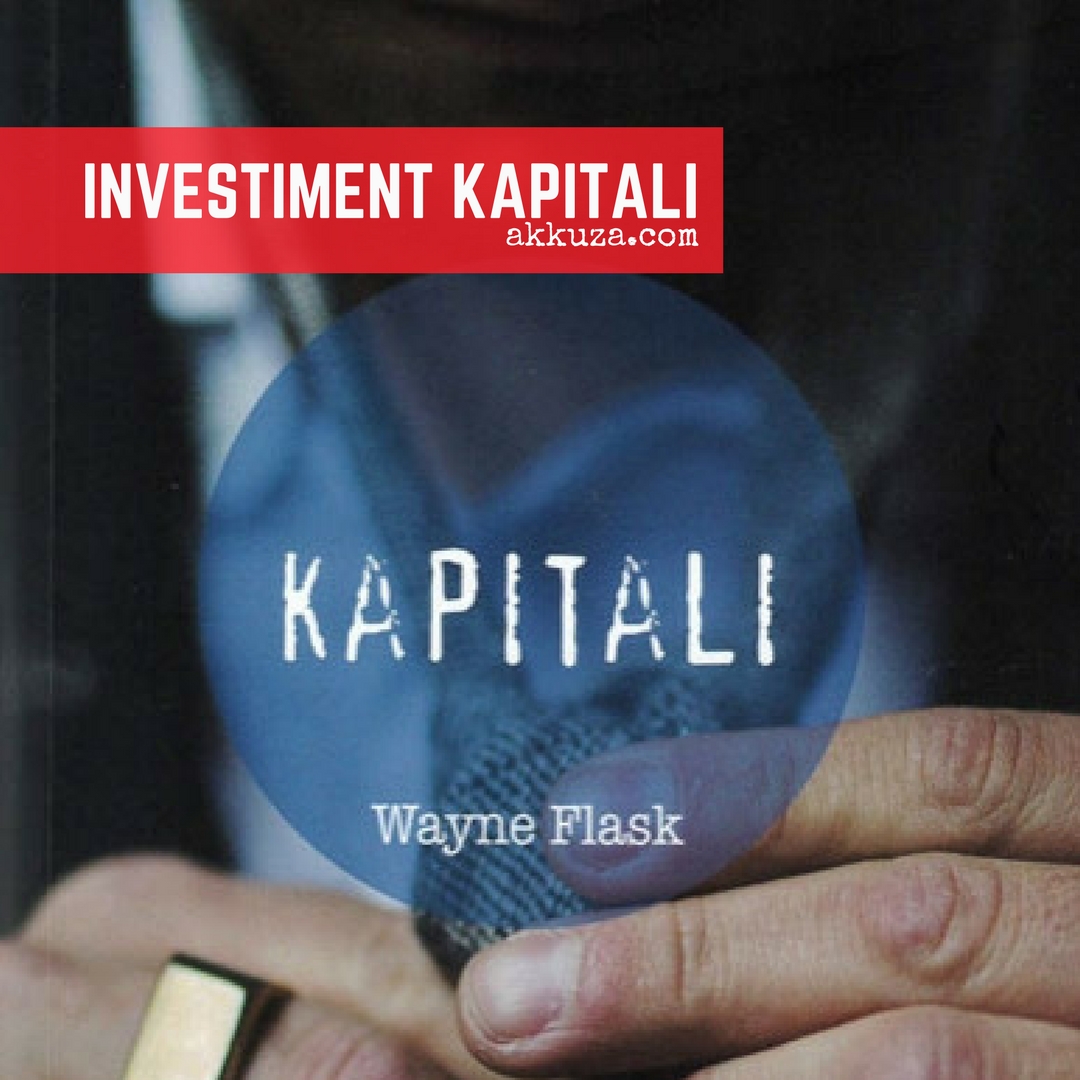
Investiment Kapitali


X’inhu dak li jagħmel ktieb tajjeb? Hawn min jgħidlek li ktieb tajjeb iżommok taqra’, ma tkun trid tniżżlu b’xejn. Hawn min jgħidlek li l-istorja kollox, li dak li jkun qed jgħid l-awtur jolqot xi ħaġa ġo fik. Hemm imbagħad il-ktieb tajjeb għax tixtieq li jkompli anki meta iddawwar l-aħħar paġna, għax l-awtur ikun irnexxilu b’xi mod jnibbet kurżita’ fir-rakkont tiegħu. Hekk ġrali b’Kapitali.

Qrajt il-ktieb fi tlett intervalli qosra. Bdejtu tard billejl dakinhar stess li xtrajtu – kwarta kollox kemm inbill subgħajja fl-istorja u nara tħajjarnix. Komplejtu fuq żewġ titjieriet li wassluni lura Lussemburgu minn Malta wara żjara qasira tul tmiem ta’ ġimgħa. It-timing kien perfett. Kont ġejt Malta għal Konferenza dwar il-Ġurnaliżmu Ċiviku u kienet l-ewwel żjara tiegħi minn mindu seħħ l-assassinju ta’ Daphne Caruna Galizia.

Kont wasalt Malta b’taħlita ta’ ħsibijiet. Ilni ngħix barra minn pajjiżi għal kważi erbatax-il sena u l-immaġni – l-idea – li għandi ta’ pajjiżi saret tiddependi ħafna fuq il-perċezzjoni virtwali li tintema’ kull tant minn kitbiet u projezzjonijiet diversi. Dan l-aħħar il-perspettiva li kienet qed tasal ma kienitx sabiħa wisq. Malta kienet saret pajjiż aljen – agħar minn hekk, il-Malti kien sar aljen. Ma għadnix nifhem ir-raġunar tal-Malti. Filwaqt li nista’ nitħaddet dwar politika u kostituzzjonijiet u pjanijiet b’ċerta ħeffa sirt naċċetta li rrid inħabbat wiċċi mar-realtajiet (u non-realtajiet) tad-dinja Post-Truth (post verita’).

Anki Wayne Flask jagħmel parti minn din id-dinja. Bħali, Flask iħobb ibill subgħajh fid-dinja tas-satira u forsi jaħsibha bħali li s-satira taf tgħinek tifhem mill-ewwel dak li qed jiġri fid-dinja li mingħaliha qed tieħu lilha innifisha bis-serjeta’. Kapitali hu xogħol satiriku l-ewwel u qabel kollox. Importanti li żżomm dan f’moħħok int u taqra. L-istorja pjuttost mexxejja hija nisġa ta’ karikaturi fuq steroids. M’humiex sempliċi karikaturi imma huma ġabra ta’ persuni imwaħħda f’maskra grotteska.

Il-Latin (persona) u l-Griegi (prospon) tawna il-kelma għal “persuna”. Għall-bidu il-kelma kienet tintuża biex tirreferi għall-maskra fuq il-palk. Din żviluppat fil-kunċett filosofiku tal-persuna u imbagħad saret tintuża bħal ma nafuha illum. Iż-żewġ politiċi prinċipali f’Kapitali – rappreżentanti virtwali taż-żewġ dinjiet politiċi f’pajjiżna – huma maskri kumplessi u sempliċi fl-istess ħin. Kumplessi għax huma kalejdoskopju u mużajk ta’ partijiet mislufa sabiex iffurmaw żewġ “Frankensteins”. L-iskuża tas-satira tippermetti li nibqgħu inħarsu lejhom bħala persuna waħda iżda, int u taqra, jiġuk flashbacks ta’ ż-żmien qabel il-Post-Truth u tagħraf issa lil dan il-politikant, issa lill-ieħor.

Sensiela ta’ ritratti Polaroid huma mifruxa tul ir-rakkont u Flask ma jkollux bżonn l-iskuża għajjiena tal-oġġettivita’ u par condicio li wisq drabi tiżżeffen fin-nofs f’diskursati u analiżi tal-qagħda imwiergħa u marida tal-ħsieb politiku Malti. L-istorja innifisha tiżfen bejn il-possibbli u l-impossibbli, bejn il-conspiracy theory u r-realta’, bejn il-frott tal-immaġinazzjoni u l-kronaka. Tista’ tagħmel hekk għax huwa xogħol satiriku – kull riferenza għal persuni veri hija intiża imma maħfura. Inċensurabbli.

Il-liċenzja satirika tippermetti lil Flask jdeffes teoriji (li jista’ jkun li jemmen li huma veri) dwar l-operat tal-partiti politiċi f’pajjiżna. Ngħid għalija iggustajt l-iperbole illi biha ġiet ittrattata l-influwenza tal-partiti politiċi ġewwa l-Universita’. Id-diskors kollu dwar l-SDM, il-Pulse u l-infiltrazzjoni saħansitra fl-Uffiċċji tal-Graffiti. Jaf kien Polaroid ieħor, jaf ukoll kienet doża qawwija ta’ steroids satiriċi – jiddependi liema perijodu qed jiġi deskritt.

Imma dik tal-istudenti hija biss osservazzjoni tiegħi, personali. Kapitali hija dawra rollercoaster vibranti madwar ħafna (sur)realitajiet Maltin. Id-dubbiena Flask tidħol fl-intimu tal-istudent, tat-tabib, tal-membru parlamentari, tal-pulizija, tal-menti internazzjonali u tal-ħalliel u tislet dak li hemm bżonn sa ma tinqabad hi stess fl-għanqbuta minsuġa mill-brimba li hija s-soċjeta’ Maltija.

“Kulħadd għandu xi ħaġa x’jaħbi/Kullħadd għandu prezz.”

Il-konklużjoni fid-dinja satirika tikxef id-DNA tal-ġenerazzjoni post-post-moderna. This is what makes us tick. Il-ġenerazzjoni tiegħi għal mument qasir ħafna kienet mingħaliha issieltet għall-futur. Mingħaliha li rnexxilha twarrab għal dak il-mument qasir il-partiti u l-kilba tal-flus, u minflok ħarġet fit-toroq bis-sejħa għall-investiment fil-futur, investiment fil-ġejjieni. Il-ġenerazzjoni tiegħi għaddiet qisha leħħa ta berqa u ta’ warajna għamlu bħal ma għamlu ta’ qabilna u komplew jinsġu dik is-soċjeta’ li tant irnexxilu jikkarikaturizza tajjeb Wayne Flask. Kullħadd għandu prezz. L-investiment huwa wieħed. Deficit soċjali. Defiċit kulturali. Defiċit tal-valuri. Imma Investiment Qawwi Kapitali.

“There are crooks everywhere you look now. The situation is desperate”.

Is-sentenza konklużiva fi blog maħbub u mibgħud fid-dinja (sur)reali tikxef ir-riżultat tal-ħidma interġenerazzjonali fid-dinja post-post-moderna. This is what we have brought onto ourselves. Soċjeta’ u nazzjon li mhux veru għandu r-riedni ta’ pajjiżu f’idejh. Il-kilba għall-poter, frott ta’ trawwim pervers partiġjan, wasslet biex waslu l-iljuni fostna. Iddaħħlu fiż-Żiemel ta’ Trojja frott l-idolatrija. L-imrieħel tan-ngħaġ issa bdew jiftħu għajnejhom u qed jindunaw li s-sitwazzjoni iddisprata. Hemm min ma jridx jaf, u jiċħad. Hemm min lest għal battalja oħra, minkejja li l-odds huma kontra.

Kapitali ma setax ħareġ fi żmien aħjar. Mhux l-Aqwa Żmien, biex niftiehmu imma żmien fejn hemm bżonn li kemm jista’ jkun mirja jittellgħu quddiem il-poplu sabiex iħares ġewwa fihom u jipprova jagħraf lilu nnifsu. Kapitali huwa prodott ta’ żmienu daqs kemm jista’ jkun parti mir-reazzjoni ta’ kontra żmienu.

Ma tagħmilx ħażin toħroġ tixtrih illum qabel għada. U taqrah. Investiment… Kapitali.

La paranoia della cospirazione universale non finirà mai e non puoi stanarla perché non sai mai cosa c’è dietro. È una tentazione psicologica della nostra specie. Berlusconi ha passato tutte le sue campagne elettorali a parlare di doppia cospirazione, dei giudici e dei comunisti. Non ci sono più comunisti in circolazione, nemmeno a cercarli col lanternino, eppure per Berlusconi stavano tentando di conquistare il potere. (Umberto Eco)

Facebook Comments Box

Blogging : Is it a threat or under threat?

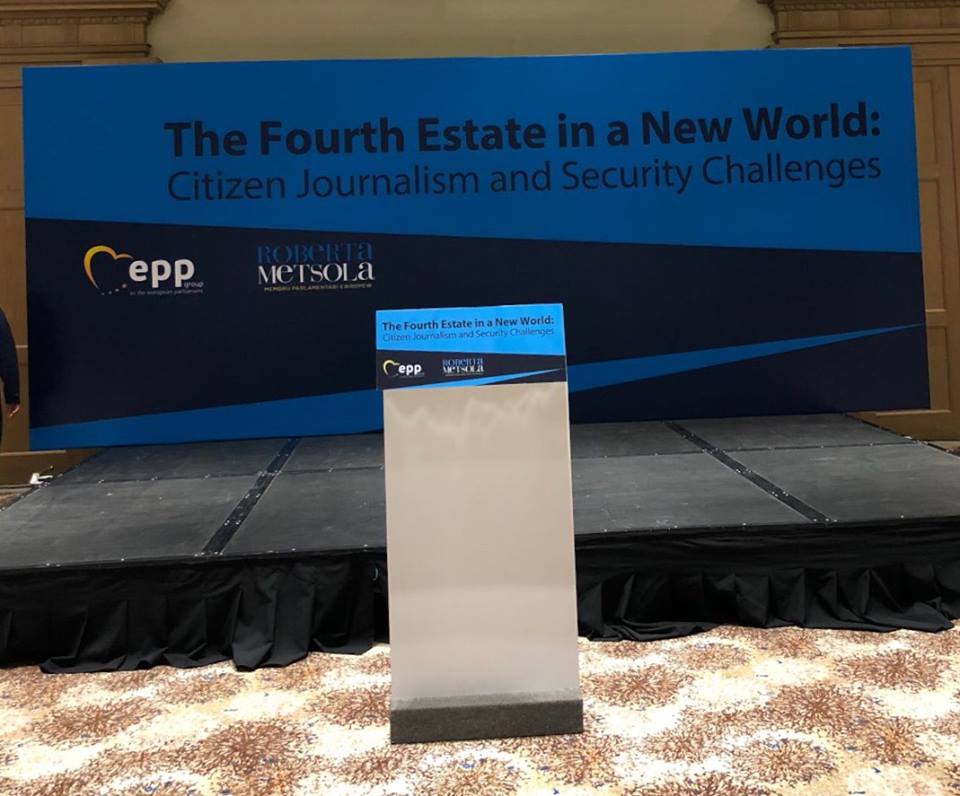
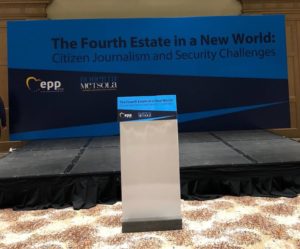
This is the text of a speech I delivered at a conference organised by the office of MEP Roberta Metsola. The conference was entitled “The Fourth Estate in a New World. Citizen Journalism and Security Chalenges.

Part One: BLOGGING AND POWER, THE GLOBAL PERSPECTIVE

When I was asked to speak about blogging in the context of citizen journalism and the fourth estate my mind immediately went back to the Time Magazine “Person of the Year” award back in 2006 – that year the award went to “YOU”: the you being everybody involved in the ‘online revolution’ that was underway. In the words of TIME Magazine: “for seizing the reins of the global media, for founding and framing the new digital democracy, for working for nothing and beating the pros at their own game, TIME’s Person of the Year for 2006 is you”.

That was December 2006. I had been blogging for almost two years having been drawn to the blogging world in March 2005 and I proudly displayed this award on my blog – it was MY award too. There was much enthusiasm around blogging in 2006 – a vibrant, positive enthusiasm – and this was reflected in the TIME magazine bumper Christmas edition that announced its Person of the Year.

Writing in that edition Richard Stengel described the Person of the Year as “the individuals (who) are changing the nature of the information age, the creators and consumers of user-generated content that are transforming art and politics and commerce … they are the engaged citizens of a new digital democracy.”

The key-words are all there: politics, democracy, citizens. Engaged citizens. Elsewhere in the same 2006 window it would be clear that the User-Generated Generation was a product of the exaltation and celebration of the self. It was not highlighted at the time but it would be the celebration of the end of the private and the beginning of the invasion of every single sphere of our mundane life.

Those early assessments of the Web Revolution already caught a glimpse of the idea that at the heart of the digital revolution was the rapid spread of the First Person Singular. The focus at the time was on the fact that this would be made up of the contribution of millions of people and that somehow it would all matter. The Web 2.0 revolution was still viewed as a massive social experiment – this 2006 was a window on the future and the question marks were huge and ominous.

Of course, there were the cynics. There are always the cynics. Some saw user-generated content as a huge threat that would undermine the traditional authority of media institutions – they would call this phenomenon “amateur hour”. There were already the first signs of a caveat – a warning…

Here’s Lev Grossman in the same TIME edition: “ Sure it’s a mistake to romanticise all this any more than is strictly necessary. Web 2.0 harnesses the stupidity of crowds as well as its wisdom. Some of the comments on YOUTUBE make you weep for the future of humanity just for spelling alone, never mind the obscenity and the naked hatred”.

The optimism was still there though. This new, powerful phenomenon was definitely here to stay. Digital democracy, the Web 2.0 revolution had spawned a new hero: the engaged citizen. Or so they thought. Let us bear in mind one very important element here. This was December 2006. Almost 2007. Some perspective is needed.

First of all, the award went to a digital citizen whose main tools at the time were Wikipedia, Youtube and MySpace. Yes MySpace. Blogs too. Oh yes, they had been around for some time. Back in 2004 Merriam-Webster had named “blog” – the term derived from Web-Log – the word of the year. That same year saw the first accredited bloggers at national political conventions during US elections. It also was the record year for blog creation – one blog was being created every 7.5 seconds (10,000 daily). Worldwide.

More perspective. In December 2006 Twitter was merely 5 months old. Facebook had only been open to the general public for three measly months, and Julian Assange had only just set up Wikileaks in Iceland two months previously. Yes, the landscape in which blogs and the blogosphere placed themselves was a very different one from the one we know today. Some familiar problems already existed, although in different forms. Here is Brian Williams on the same bumper TIME edition:

“It is now possible – even common – to go about your day in America and consume only what you wish to see and hear. There are television networks that already agree with your views, iPods that play only music you already know you like, Internet programs ready to filter out all but the news you want to hear.”

You will have recognised all the traits of what we nowadays call the echo-chamber, the personal bubble of sanitised information. This was before the sophisticated algorithms brought to us by google and facebook. Then we had “news aggregators” – you would pick what news to be informed about. Personalisation and tailor made information meant that we had already begun to “personalise” our view of the world. Blogs could only be so loud as the audience that wanted to hear them.

One huge development had still not come about by December 2006. In fact it would not be before June 29th 2007 that the biggest revolution of all in citizen empowerment would come about. That was the day Steve Jobs presented the iPhone to the world. Smart Phone Type 1. The world was literally at your fingertips from then on. The smartphone would become the ultimate power tool for the engaged citizen. In art. In chronicling. In politics. First hand, user-generated information was given the ultimate tool.

Back in 2006, Brian Williams had asked the question: “Does it endanger what passes for national conversation if we’re all talking at once? What if “talking” means typing on a laptop, but the audience is too distracted to pay attention? The whole notion of “media” is now much more democratic, but what will the effect be on democracy? The danger might be that we miss the next great book, or the next great idea, or that we fail to meet the next great challenge.. Because we are too busy celebrating ourselves and listening to the same tune we already know by heart”. Spooky right?

Listening to “tunes we already know by heart” would not be the only problem. At the core of this revolution was a redistribution of the way information was communicated. Data would be rehashed exchanged and transformed. We were optimistic because we thought that there would be more openness. What was underestimated from the start was the possibility that facts, truth and data could and would be manipulated to serve multiple purposes. This was the other edge of the sword.

Take the 2006 Person of the Year award itself. A few weeks before the announcement, TIME had decided to ask users in a poll: “Who should be Person of the Year?” After several weeks there was one poll winner by a wide margin of 35% of total votes: HUGO CHAVEZ, Venezuela’s leader. Second place? MAHMOUD AHMADINEJAD, President of Iran. In one big blow to the very concept of digital democracy, TIME decided to ignore the results and did not mention them in their announcement of their “Person of the Year”. Worse still, the hyperlink to the online poll results was removed.

BLOGGING AND POWER THE MALTESE PERSPECTIVE

What about Malta then? Did blogging ever become a threat? Did it really become important enough to end up being threatened? Malta’s blogosphere took shape around the end of 2004. My first post on J’accuse was, as I mentioned earlier, in March 2005. In my first post titled “The Kinnie Generation” I tried to encapsulate the feeling of the generation of bloggers that had just sprouted up around the Maltese blogosphere:

“Thus the Kinnie generation – the bitter-sweet oxymorons in personam – who slowly realised that Malta under the socialists was bad because it was violent and Malta under the nationalists is bad because it is one big lie. The Kinnie generation who are slowly becoming nostalgic for the eighties, saw the nineties fly by them and still cannot understand whatthefuck they are meant to be doing in the noughties.”

And the blogs took off. By the time the general elections in Malta came around in 2008 the digital presence of a mini-army of independent-minded pundits could no longer be ignored. The Main Stream Media took to interacting with what they obviously perceived as ‘amateurs’. Some papers took to collating whole pieces of blogs into their pages while others often reacted to “corrections” or provocations by bloggers. Slowly but surely the MSM would adapt to have “blogs” of its own too – vitrual opinion columns.

Interestingly the “new kids on the blog” still needed a precise definition in the collective imagination. It was still unclear to many what exactly a blog was and who was behind it. I recall clearly a Lou Bondi episode where he referred to bloggers generally as “pecluqa” – nothing more than chatterers of no substance. We were experiencing our own “testing ground” moments. I would say that the first instinct from the mainstream media was to ignore this new fad. The second instinct was to take over. We even got a new category at the annual journalism awards quaintly doctored to reward the MSM clones of independent bloggers.

While the mainstream media was uncomfortably adjusting to the power of the blog, one particular social participant woke up from its slumber and understood the threat to an important element for its survival. The political parties realised as early as 2008 that the blogging network that existed was dominated mainly by bloggers outside the PLPN box. We witnessed the birth of Trolls Mark I. It was in the middle of this political eureka moment that the blog that would become by far the most influential and largest of all was born.

Daphne Caruana Galizia started the Running Commentary towards the end of the 2008 electoral campaign. She shifted from being a heavy presence on the comments boards to having her own blog. It would be some time before she would acknowledge to being a blogger herself – her early approach was defined by the fact that bloggers were a bunch of nerds and geeks obsessed with Lord of the Rings.

It began as one blog of many but, ironically, in the end the Running Commentary would come to form the idea of what a blogger is in many people’s minds in Malta. From 2013 onwards, by which time internet presence and blogs were an obvious part of our political reality, the Running Commentary upped the ante. It became one of the testing grounds for the many laws that could be used and were used to silence or intimidate people using their freedom of expression.

It was not just libel or defamation laws. Daphne famously flouted the rules on the day of reflection by posting updates throughout that day. Interestingly most of the actions against Daphne Caruana Galizia were based on her blog posts and not on her column in the Malta Independent. I use this as an example because it is clear that a blog, a personal blog where the blogger is editor and writer wrapped in one, is evidently a much more potent weapon than the columns in the mainstream media.

Yes. I dare say it. Independent based blogs can be a much bigger threat than the MSM if they do their job right. And that is the crux of the matter. Doing our job right. What does that mean?

First of all, there is the question of INFORMATION. Data. Facts. In the world of post-truth a blog can perform a valuable role of providing an analysis of facts that is different from the mainstream especially when the mainstream is prone to bow to the pressure of propaganda. Access to new information becomes crucial. We have heard that Daphne’s blog became a “one-woman wikileaks”. More readers meant a wider network and more information being provided. As time went by less people trusted the proper authorities so they would “leak” to someone who would have the guts to use the information.

Which brings me to the second point. How we use the information is important. I make no secret of the fact that I was never quite content with one aspect of the “one-woman wikileaks” – it also means that we had a “one-woman gatekeeper”. Allow me the cliche’ – with great power comes great responsibility. The “threat” that blogs pose is part and parcel with the threat that the role of the fourth estate poses. The truth is out there. It requires honest appraisals, honest analysis and honest presentation.

Blogging can and will be seen as a threat whenever it is used to uncover or analyse information with a commitment to honesty. In these the days of post-truth blogs can carve a role and act as beacons for society to work around. It is an idealistic approach, so much I can admit… however I see no alternative.

Yes blogs can be a threat, and even when they come under threat, they can overcome these threats because a blog – like the pen – must conquer fear.


Facebook Comments Box

Majority Rules Not Ok

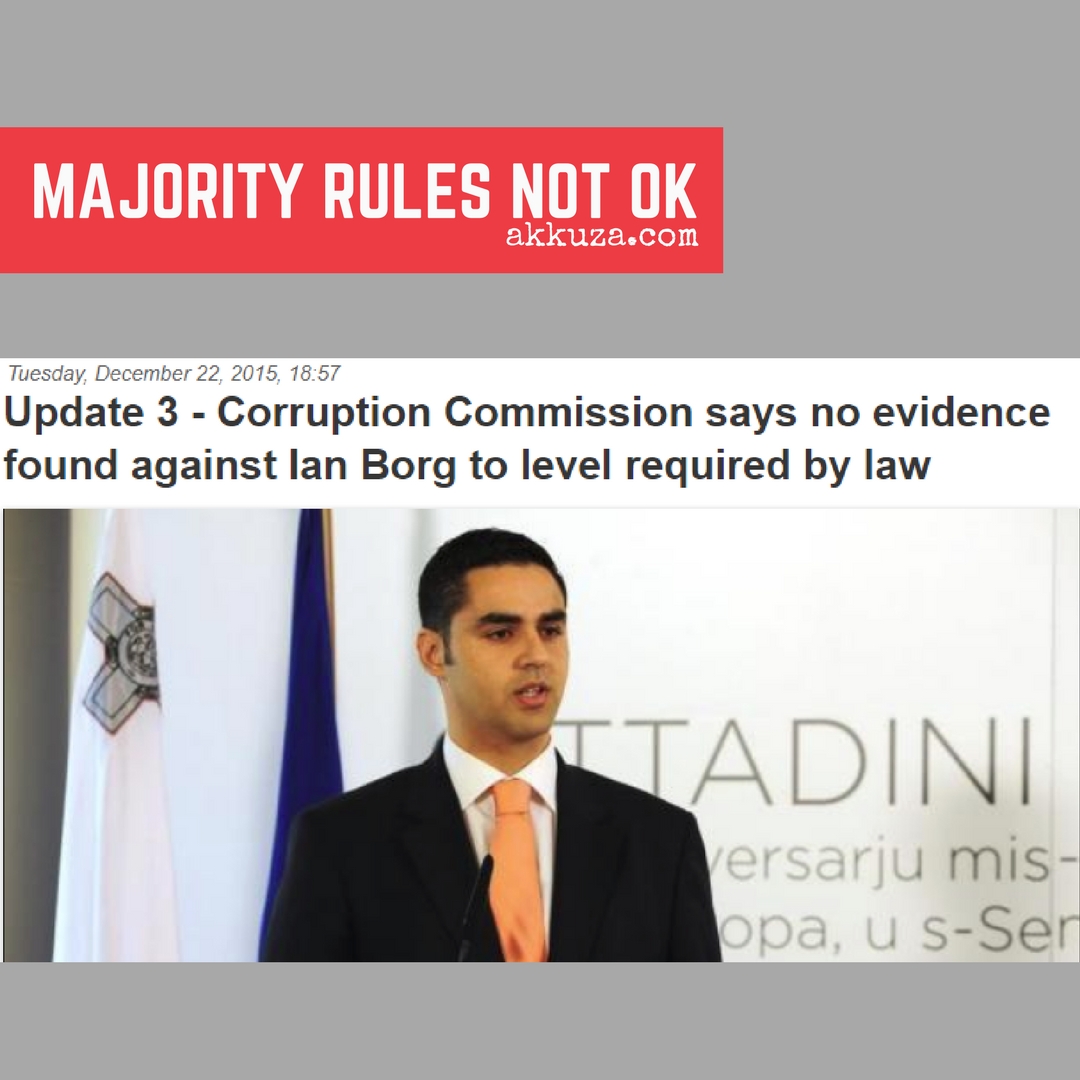
Malta’s Minister for Transport, Infrastructure & Capital Projects has gone on record saying something to the effect that “majority rule is higher than the rule of law”. One cannot stop underlining the dangers that lie behind this kind of statement. To begin with, this is a blatant show of ignorance of the laws that bind us. It flies in the face of hundreds of years of philosophical treatises on social contract, on constitutions, and on the basic principles that underlie our law-based societies.

Rousseau (The Social Contract), Locke (Second Treatise on Government), Hume (Of the Original Contract) and Madison (The Federalist Papers No. 10) – that is a tiny roll call of the kind of people who tried to get their heads around the problem of just representation in society. At the second rally organised by CSN after Daphne’s assassination I had spoken of the people as sovereign – the ultimate depositaries of the powers of the land. That was not a concept I pulled out of thin air. Our legal systems are all intended to crystallise the way that ultimate power (of the people) is lent (and we emphasise lent) to different branches of the state in order that they may govern. To govern in the name of the people, for the people, by the people. Again, not another catchphrase.

Later developments to the philosophers’ ideas came in the form of modern liberal constitutions such as those begotten by the American and French revolutions. A representative government, a separation of powers and a basic set of rights that was above the power of the legislature. From the Magna Carta onwards in fact, there was the gradual realisation that a sovereign people would still subject itself voluntarily to regulation by a set of fundamental truths that would be inalienable (could not be taken away) even by those who have been entrusted with creating laws for the day to day functioning of society.

“We hold these truths to be self-evident…” is how the second paragraph of the American Declaration of Independence begins. The colonies were protesting the abuse of the representative power by their King and in that document they justified their right to “dissolve the political bands which have connected them with another”. Among the first of the self-evident truths was The First Amendment which precluded the lawmakers from enacting laws which abridged freedom of speech, the freedom of press and the freedom of religious belief.

The basic rules would be guaranteed by other branches of the state. Alexander Hamilton outlined this in The Federalist Papers No. 78, when he spoke of the Court being the ultimate interpreter of the meaning of the Constitution. In his words, the Court would stand “between the people and the legislature, to keep the latter within the limits assigned to their authority … A constitution is in fact, and must be regarded by judges as fundamental law.. the Constitution ought to be preferred to the [legislature’s] statute, and the intention of the people to the intention of their agents.”.

Modern constitutions are replete with checks and balances of this sort. The point of the checks and balances is that tyranny is avoided. The point is that the abuse of power by a part over the whole is prevented.

The role of a ‘majority’ in our constitution starts and stops with the election of our representatives in parliament that lead to the selection of a government entrusted with executive power for a short mandate. The next day of an election the concept of ‘majority vote’ is technically redundant except when applied within the rules and regulations of parliamentary votes for the enactment of laws.

Above all, the government of the day as an executive – and every other branch of the state – have no business with using the concept of “majority rule” to trump all other concepts of legal accountability. To do so would be to usurp the very concept of control of power and representation. Ian Borg’s concept of majority rule trumping the rule of law is an abomination to the concept of democratic representation. The same can be said of Alfred Sant’s declarations in the European Parliament where the idea that “the people have voted” seems to have been bandied about as some sort of general absolution for any irregularities committed by the agents of government that was confirmed at the polls.

Whether willfully or through ignorance of the law, these statements become a declaration of war on liberal democracy. They represent a dangerous step in the current situation where the rule of law is withering before our very own eyes.

They must and shall be countered.

The people united can never be defeated.

Facebook Comments Box

The Beautiful Garden

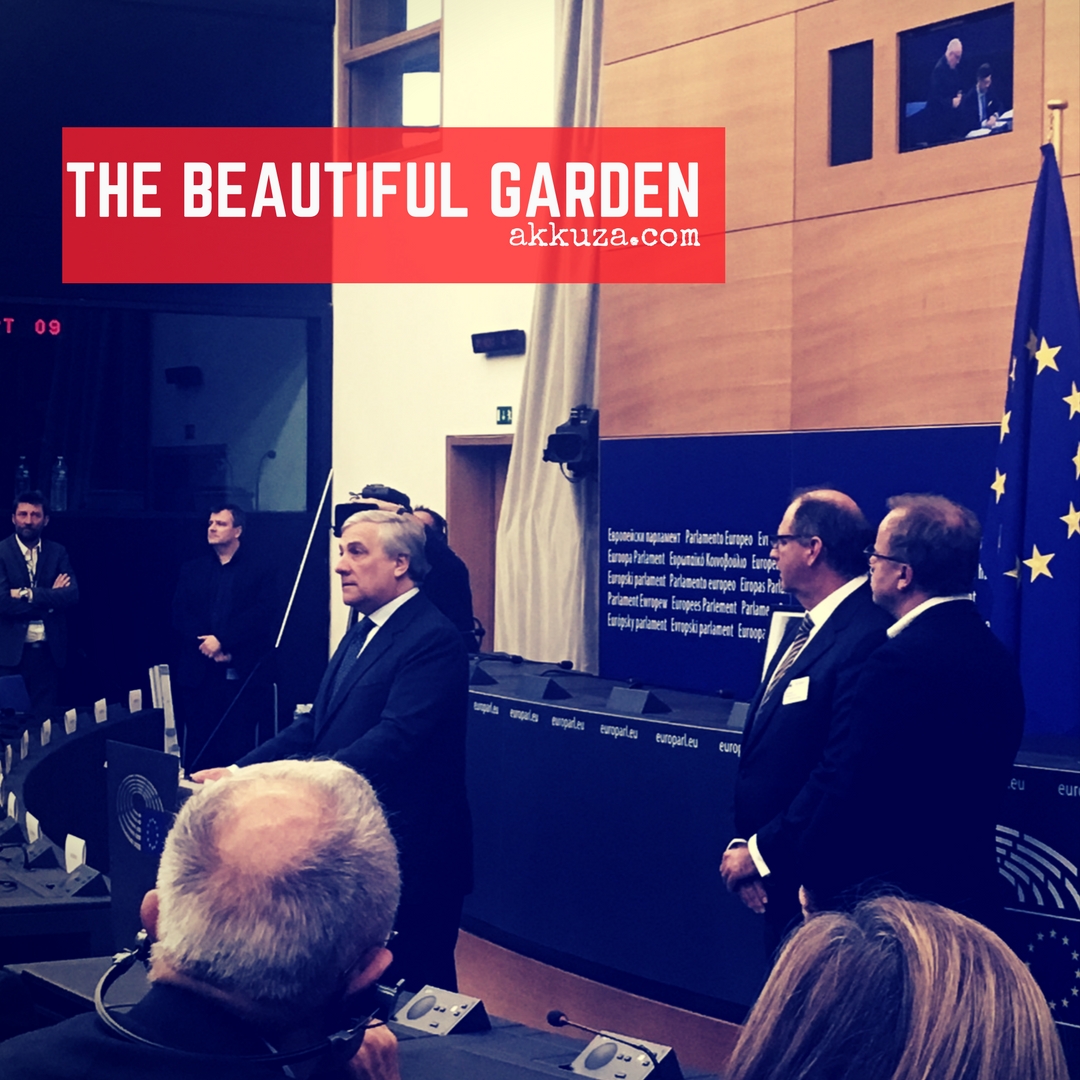
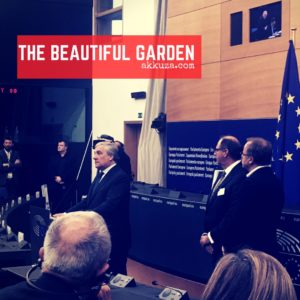
The atmosphere at the European Parliament this Tuesday was surreal to say the least. Not being too familiar with the building I arrived just as the debate on the Rule of Law in Malta had kicked off and took a seat hurriedly in the visitor’s balcony. Just as I started to take in the different speeches I noticed that I was seated a couple of seats away from Daphne’s family and the whole business took a wholly different perspective.

It was inevitable that different agendas would be pushed during such a debate. It was, as predicted, a repeat of the Pana Committee meetings with many deputies intent on taking advantage of this moment of weakness of the Maltese state in order to peddle their usual attacks on the island nation’s fiscal policy. Politics is politics and it would be too much to ask of all the deputies in the house to stick to the agenda at hand. Probably.

I felt very ill at ease though, for every other thirty seconds Daphne’s name was brought up. Whether it was to bolster an argument regarding the state of the rule of law in Malta or whether it was to harp on that spurious link between a legitimate fiscal policy and an atrocious cold-blooded murder, those three words would be repeated and would rebound along the walls of the Hemicycle. Each time I heard the name I did not dare look at Daphne’s family but I could not help wonder how awkward all this might seem, how distant from the warmth of a mother and a wife. True, we were there also because of what had happened and yet the way most politicians took over the name and memory of the recently departed did not seem right.

The weak respects jarred mostly in the mouths of those who could barely hide their contempt towards the very fact that we were there in that room, discussing the failure of a society and not only the failure of law and government. They went through the motions expressing regret for Daphne’s sudden departure though it sounded as convincing as a note of apology by the Transport Authority whenever the buses run late.

It was painful. Painful for me as a mere outsider who quite readily admits to having had strong differences of opinion with Daphne throughout the last years and who refuses to succumb to the temptation of creating false hagiographies. In fact I am quite happy to be clear that I did not find Daphne and her work to be perfect. Far from it. It is like stating the obvious. Somehow though I feel that it makes my case for demanding respect for her work all the stronger. Above all it puts the moment in perspective – there is an institutional crisis that led to a journalist being killed while doing her work and without any doubt because of the work she was doing. Daphne was killed with impunity because, in the words of her husband, she mattered.

The institutional crisis, the social deficit, predates Daphne’s assassination. The battle against the rot definitely predates Daphne’s assassination. The warning signs predate Daphne’s assassination. The side of Daphne that we want to remember and be inspired by is the one that was so ably described by her husband. It is the one who aspired to beauty in a world that she saw (as did many others) turn uglier by the minute. Before the situation became desperate it had already turned ugly. So ugly that it rendered others cynical. So ugly that many lost hope.

This is not about a sanctification of a person. This is about continuing the work that Daphne excelled in and that others too worked hard for with different results. The inspiration we should and must take is the Beautiful Garden. We should each build our own little garden and start to expand that slowly until the gardens take over.

The gardens are our hope, our courage, our future.


“But Daphne never grew cynical; she grew outraged and appalled by the increasingly sordid and frightening facts that emerged from her work. The more frustrated she grew at the state of our country, the more beautiful our garden became, the more trees she planted, the more books, art, ornaments and curiosities from all over the world arrived at our home. Daphne created, in the words of one of my sons, a parallel world of beauty in a country that slipped further and further away from European values and norms of behaviour which she held so closely. Meanwhile, Daphne’s work never slowed. With every story she broke, particularly about the money laundering network with links deep and wide connecting many of Malta’s political and business elite, her readership grew larger and more loyal.” – Peter Caruana Galizia


Facebook Comments Box